

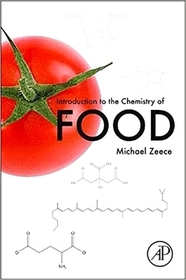
Introduction to the Chemistry of Food
-
20% KEDVEZMÉNY?
- A kedvezmény csak az 'Értesítés a kedvenc témákról' hírlevelünk címzettjeinek rendeléseire érvényes.
- Kiadói listaár EUR 69.95
-
27 322 Ft (26 021 Ft + 5% áfa)
Az ár azért becsült, mert a rendelés pillanatában nem lehet pontosan tudni, hogy a beérkezéskor milyen lesz a forint árfolyama az adott termék eredeti devizájához képest. Ha a forint romlana, kissé többet, ha javulna, kissé kevesebbet kell majd fizetnie.
- Kedvezmény(ek) 20% (cc. 5 464 Ft off)
- Kedvezményes ár 21 858 Ft (20 817 Ft + 5% áfa)
- A kedvezmény érvényes eddig: 2026. június 30.
Iratkozzon fel most és részesüljön kedvezőbb árainkból!
Feliratkozom
27 322 Ft

Beszerezhetőség
Megrendelésre a kiadó utánnyomja a könyvet. Rendelhető, de a szokásosnál kicsit lassabban érkezik meg.
Why don't you give exact delivery time?
A beszerzés időigényét az eddigi tapasztalatokra alapozva adjuk meg. Azért becsült, mert a terméket külföldről hozzuk be, így a kiadó kiszolgálásának pillanatnyi gyorsaságától is függ. A megadottnál gyorsabb és lassabb szállítás is elképzelhető, de mindent megteszünk, hogy Ön a lehető leghamarabb jusson hozzá a termékhez.
A termék adatai:
- Kiadó Elsevier Science
- Megjelenés dátuma 2020. február 3.
- ISBN 9780128094341
- Kötéstípus Puhakötés
- Terjedelem430 oldal
- Méret 228x152 mm
- Súly 630 g
- Nyelv angol 0
Kategóriák
Hosszú leírás:
Introduction to the Chemistry of Food describes the molecular composition of food and the chemistry of its components. It provides students with an understanding of chemical and biochemical reactions that impact food quality and contribute to wellness. This innovative approach enables students in food science, nutrition and culinology to better understand the role of chemistry in food. Specifically, the text provides background in food composition, demonstrates how chemistry impacts quality, and highlights its role in creating novel foods. Each chapter contains a review section with suggested learning activities. Text and supplemental materials can be used in traditional face-to-face, distance, or blended learning formats.
TöbbTartalomjegyzék:
Topic Outline
Water
- Physical and chemical properties of water
- Fundamentals of acid base chemistry
- Importance of water to food texture, flavor, and the preservation of food
- Examples of weak acids and their function in food.
Proteins
- Structure of proteins
- Chemical properties of proteins
- Protein denaturation
- Nutritional properties of proteins (digestibility evaluation, essential amino acids)
- Food allergy
- Functional properties of proteins (solubility, foaming, gelation)
- Examples of enzymes in foods ?
Carbohydrates
- Structure and nomenclature of carbohydrates (monosaccharides, oligosaccharides, and polysaccharides)
- Maillard chemistry, its importance to color, flavor, and undesirable products in food
- Food intolerances, lactose and other FODMAPS
- Nutritional aspects of carbohydrates (dietary fiber, effect of starch structure on glycemic index)
- Functional properties of carbohydrates (solubility, gelation, viscosity, sweetness)
- Polysaccharides starch, cellulose, gums, and other hydrocolloids
Lipids
- Structure and nomenclature of fatty acids, acylglycerols and sterols?
- Importance of lipid (fat) structure to functional and physical properties in food
- Chemistry of lipid hydrogenation and how trans fats occur in food
- Lipid oxidation chemistry
- Antioxidants and how they control lipid oxidation?
- Lipids of importance to health (essential fatty acids, ?6 to ?3 ratio)
Vitamins
- Definition of a micronutrient
- Nutritional food labeling
- Chemical properties of vitamins and minerals
- Biological importance
- Supplementation and means of loss
Flavors
- The elements of taste and nature of its receptors
- Sweet, bitter, sour, umami, and salty tastants
- The gustatory taste map
- Sugar substitutes and questions of their contribution to health
- Smell and olfactory perception
- Pungency
- Flavor is in the brain, not food
Food Additives
- Use and regulation of food additives
- Synthetic vs natural additives
- Examples of additive use in foods
- Food toxins and toxicants, a case of inadvertent food additives
Food Colorants
- Use and regulation of food colorants
- Synthetic vs natural food colorants
- Properties of natural colorants
- Examples of natural substances as replacements for synthetic colorants
Food Systems and Future directions
- Gut microbiome and its contribution to health
- Influence of food components on the microbiome
- Major food systems and their composition
- Properties of protein-rich plant and microbial foods
- Novel plant-based animal foods

