

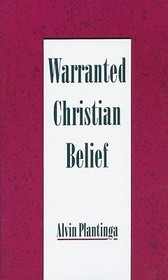
Warranted Christian Belief
-
10% KEDVEZMÉNY?
- A kedvezmény csak az 'Értesítés a kedvenc témákról' hírlevelünk címzettjeinek rendeléseire érvényes.
- Kiadói listaár GBP 39.99
-
18 055 Ft (17 195 Ft + 5% áfa)
Az ár azért becsült, mert a rendelés pillanatában nem lehet pontosan tudni, hogy a beérkezéskor milyen lesz a forint árfolyama az adott termék eredeti devizájához képest. Ha a forint romlana, kissé többet, ha javulna, kissé kevesebbet kell majd fizetnie.
- Kedvezmény(ek) 10% (cc. 1 806 Ft off)
- Kedvezményes ár 16 249 Ft (15 476 Ft + 5% áfa)
Iratkozzon fel most és részesüljön kedvezőbb árainkból!
Feliratkozom
18 055 Ft

Beszerezhetőség
Megrendelésre a kiadó utánnyomja a könyvet. Rendelhető, de a szokásosnál kicsit lassabban érkezik meg.
Why don't you give exact delivery time?
A beszerzés időigényét az eddigi tapasztalatokra alapozva adjuk meg. Azért becsült, mert a terméket külföldről hozzuk be, így a kiadó kiszolgálásának pillanatnyi gyorsaságától is függ. A megadottnál gyorsabb és lassabb szállítás is elképzelhető, de mindent megteszünk, hogy Ön a lehető leghamarabb jusson hozzá a termékhez.
A termék adatai:
- Kiadó OUP USA
- Megjelenés dátuma 2000. február 17.
- ISBN 9780195131932
- Kötéstípus Puhakötés
- Terjedelem528 oldal
- Méret 233x157x34 mm
- Súly 753 g
- Nyelv angol 0
Kategóriák
Rövid leírás:
This is the third volume in Alvin Plantinga's trilogy on the notion of warrant, which he defines as that which distinguishes knowledge from true belief. In this volume, Plantinga examines warrant's role in theistic belief, tackling the questions of whether it is rational, reasonable, justifiable, and warranted to accept Christian belief and whether there is something epistemically unacceptable in doing so. He contends that Christian beliefs are warranted to the extent that they are formed by properly functioning cognitive faculties, thus, insofar as they are warranted, Christian beliefs are knowledge if they are true.
TöbbHosszú leírás:
This is the third volume in Alvin Plantinga's trilogy on the notion of warrant, which he defines as that which distinguishes knowledge from true belief. In this volume, Plantinga examines warrant's role in theistic belief, tackling the questions of whether it is rational, reasonable, justifiable, and warranted to accept Christian belief and whether there is something epistemically unacceptable in doing so. He contends that Christian beliefs are warranted to the extent that they are formed by properly functioning cognitive faculties, thus, insofar as they are warranted, Christian beliefs are knowledge if they are true.
Warranted Christian Belief is a tour de force ... it will be a welcome summary of an important movement, and for anyone interested in debates about the rationality of religious belief, a reference book for many years to come.

