

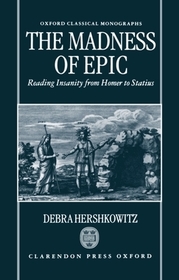
-
10% KEDVEZMÉNY?
- A kedvezmény csak az 'Értesítés a kedvenc témákról' hírlevelünk címzettjeinek rendeléseire érvényes.
- Kiadói listaár GBP 222.50
-
100 458 Ft (95 675 Ft + 5% áfa)
Az ár azért becsült, mert a rendelés pillanatában nem lehet pontosan tudni, hogy a beérkezéskor milyen lesz a forint árfolyama az adott termék eredeti devizájához képest. Ha a forint romlana, kissé többet, ha javulna, kissé kevesebbet kell majd fizetnie.
- Kedvezmény(ek) 10% (cc. 10 046 Ft off)
- Kedvezményes ár 90 413 Ft (86 108 Ft + 5% áfa)
Iratkozzon fel most és részesüljön kedvezőbb árainkból!
Feliratkozom
100 458 Ft

Beszerezhetőség
Megrendelésre a kiadó utánnyomja a könyvet. Rendelhető, de a szokásosnál kicsit lassabban érkezik meg.
Why don't you give exact delivery time?
A beszerzés időigényét az eddigi tapasztalatokra alapozva adjuk meg. Azért becsült, mert a terméket külföldről hozzuk be, így a kiadó kiszolgálásának pillanatnyi gyorsaságától is függ. A megadottnál gyorsabb és lassabb szállítás is elképzelhető, de mindent megteszünk, hogy Ön a lehető leghamarabb jusson hozzá a termékhez.
A termék adatai:
- Kiadó OUP Oxford
- Megjelenés dátuma 1998. június 25.
- ISBN 9780198152453
- Kötéstípus Keménykötés
- Terjedelem358 oldal
- Méret 224x145x25 mm
- Súly 593 g
- Nyelv angol 0
Kategóriák
Rövid leírás:
Madness features in many ancient epics: not only do characters go mad, but madness often plays an important thematic role. This book examines the representation and poetic function of madness in epic poetry (including the work of Homer, Virgil, and Ovid), addresses the difficulty of defining madness, and discusses how each epic explores the theme in a unique way.
TöbbHosszú leírás:
Madness plays a vital role in many ancient epics: not only do characters go mad, but madness also often occupies a central thematic position in the texts. In this book, Debra Hershkowitz examines from a variety of theoretical angles the representation and poetic function of madness in Greek and Latin epic from Homer through the Flavians, including individual chapters devoted to the Iliad and Odyssey, Virgil's Aeneid, Ovid's Metamorphoses, Lucan's Bellum Civile, and Statius' Thebaid. The study also addresses the difficulty of defining madness, and discusses how each epic explores this problem in a different way, finding its own unique way of conceptualizing madness. Epic madness interacts with ancient models of madness, but also, even more importantly, with previous representations of madness in the literary tradition. Likewise, the reader's response to epic madness is influenced by both ancient and modern views of madness, as well as by an awareness of intertextuality.
Rich fare ... Hershkowitz has the original Greek and Latin texts at her intellectual fingertips.

