
• Kapcsolat

  • Hírlevél

  • Rólunk

  • Szállítási lehetőségek

  • Prospero könyvpiaci podcast

  • Hírek

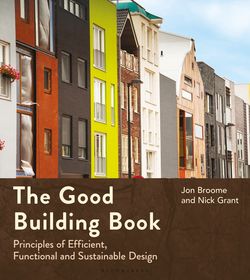
  • The Good Building Book: Principles of Efficient, Functional and Sustainable Design

    The Good Building Book by Broome, Jon; Grant, Nick;

    Principles of Efficient, Functional and Sustainable Design

      • 13% KEDVEZMÉNY?

      • A kedvezmény csak az 'Értesítés a kedvenc témákról' hírlevelünk címzettjeinek rendeléseire érvényes.
      • Kiadói listaár GBP 30.00
      • Az ár azért becsült, mert a rendelés pillanatában nem lehet pontosan tudni, hogy a beérkezéskor milyen lesz a forint árfolyama az adott termék eredeti devizájához képest. Ha a forint romlana, kissé többet, ha javulna, kissé kevesebbet kell majd fizetnie.

        14 332 Ft (13 650 Ft + 5% áfa)
      • Kedvezmény(ek) 13% (cc. 1 863 Ft off)
      • Kedvezményes ár 12 469 Ft (11 876 Ft + 5% áfa)

    14 332 Ft

    db

    Beszerezhetőség

    Még nem jelent meg, de rendelhető. A megjelenéstől számított néhány héten belül megérkezik.

    Why don't you give exact delivery time?

    A beszerzés időigényét az eddigi tapasztalatokra alapozva adjuk meg. Azért becsült, mert a terméket külföldről hozzuk be, így a kiadó kiszolgálásának pillanatnyi gyorsaságától is függ. A megadottnál gyorsabb és lassabb szállítás is elképzelhető, de mindent megteszünk, hogy Ön a lehető leghamarabb jusson hozzá a termékhez.

    A termék adatai:

    • Kiadó Bloomsbury Publishing (UK)
    • Megjelenés dátuma 2026. január 29.
    • Kötetek száma Paperback

    • ISBN 9781399417136
    • Kötéstípus Puhakötés
    • Terjedelem288 oldal
    • Méret 235x210 mm
    • Nyelv angol
    • Illusztrációk Full colour photographs and diagrams
    • 700

    Kategóriák

    Hosszú leírás:

    'Mandatory reading for everyone in our design practice.' CHARLIE LUXTON
    'A deeply fascinating book.' MARK BRINKLEY

    Drawing from extensive experience, award-winning architect Jon Broome and design engineer Nick Grant celebrate undervalued ideas that have stood the test of time.

    The Good Building Book provides provocative and empowering insights, along with critical analysis, to help rethink design and construction.

    - Guides readers through project development, from single home to larger projects.
    - Examines performance standards and navigates commercial aspects such as budgets, contracts, and consultants.
    - Explores strategic design and principles of good details for building elements, weaving together aesthetics, performance, and value in context.
    - Offers practical principles and design strategies relevant for a rapidly changing world.
    - Features more than 150 photos and a further 90 diagrams.

    Whether you're a designer or contractor, building user or client, student or teacher, this solution-focused book provides a new way of thinking about how we shape the built environment for a sustainable future.

    Több

    Tartalomjegyzék:

    Introduction

    1.0 Design

    1.1 What is a good building?
    An introduction to the key principles of good buildings
    1.2 Beauty, utility and economy in action
    Archives and museums provide useful insight
    1.3 Buildings as sculpture
    When form overrides function to produce bad buildings
    1.4 Eco-bling - innovation and aspiration
    Aspiration and innovation can bring questionable results
    1.5 Problem-solving designs
    The features of a good building design process
    1.6 The search for quality
    What the designer must bring to the process - the need for care
    1.7 A modern vernacular
    Four principles coming together to shape a process for designing and producing good buildings
    1.8 The modern vernacular in action
    Applying the four principles in action in the field of housing design
    1.9 Self-build
    Lessons from an approach to housing more akin to the idea of a modern vernacular
    1.10 Sustainable neighbourhoods
    How the principles we have learnt from housing can inform good places, towns and cities

    2.0 Reducing energy

    2.1 Comfort and sufficiency
    Both important considerations, but what kind of 'comfort' and how much space do we need?
    2.2 Closing the performance gap
    Why many buildings do not achieve their planned minimum-emission performance
    2.3 Form factor, massing and shape
    How size and shape are often fixed before detailed cost, energy or structural analysis are performed
    2.4 Environmental modelling and targets
    Numbers and targets are crucial to an understanding of how to improve the performance of buildings
    2.5 Passive solar design
    Shifting the focus from passive solar gains to glazing design to serve the comfort and of occupants
    2.6 Why Passivhaus?
    The benefits, limitations and myths surrounding the use of this highly effective building standard
    2.7 Buildings must breathe
    Draught-free construction - and the resulting need for moisture and odour control - are essential

    3.0 Low environmental impact construction

    3.1 Heavyweight or lightweight?
    Advantages and disadvantages of both approaches and some myths explored
    3.2 Upfront carbon emissions
    How to reduce emissions arising from the act of construction, alongside other environmental impacts
    3.3 The more details, the more devils
    Principles for detailing to create robust buildings that achieve design, performance and sustainability aims
    3.4 Elements of good building
    Approaches to the design of foundations, raised ground-floor construction, non-loadbearing walls, flat roof construction and windows
    3.5 Services
    Efficient building services should be integrated into the design from an early stage

    4.0 The business of building

    4.1 Land
    Focusing on the issue of land ownership and value, huge influencers on what is built
    4.2 Design education and post-occupancy evaluation
    How to acquire the skills, knowledge and values designers need; learning what works and what doesn't
    4.3 Cost and value
    Why do costs vary? Who benefits from value? How to reduce uncertainty and control costs
    4.4 Value engineering in design
    Understanding how buildings perform and learning from experience
    4.5 Appointing a design team and contractors
    A constructive approach to finding the right team and managing costs, quality and time
    4.6 Risk management and regulation
    Risks that cannot be avoided and how to mitigate them, and the uses and limitations of regulation

    Afterword
    Notes on the authors
    Chapter notes
    Photo credits
    Acknowledgements
    Index

    Több