

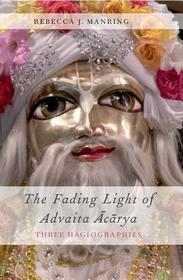
-
10% KEDVEZMÉNY?
- A kedvezmény csak az 'Értesítés a kedvenc témákról' hírlevelünk címzettjeinek rendeléseire érvényes.
- Kiadói listaár GBP 68.00
-
30 702 Ft (29 240 Ft + 5% áfa)
Az ár azért becsült, mert a rendelés pillanatában nem lehet pontosan tudni, hogy a beérkezéskor milyen lesz a forint árfolyama az adott termék eredeti devizájához képest. Ha a forint romlana, kissé többet, ha javulna, kissé kevesebbet kell majd fizetnie.
- Kedvezmény(ek) 10% (cc. 3 070 Ft off)
- Kedvezményes ár 27 632 Ft (26 316 Ft + 5% áfa)
Iratkozzon fel most és részesüljön kedvezőbb árainkból!
Feliratkozom
30 702 Ft

Beszerezhetőség
Megrendelésre a kiadó utánnyomja a könyvet. Rendelhető, de a szokásosnál kicsit lassabban érkezik meg.
Why don't you give exact delivery time?
A beszerzés időigényét az eddigi tapasztalatokra alapozva adjuk meg. Azért becsült, mert a terméket külföldről hozzuk be, így a kiadó kiszolgálásának pillanatnyi gyorsaságától is függ. A megadottnál gyorsabb és lassabb szállítás is elképzelhető, de mindent megteszünk, hogy Ön a lehető leghamarabb jusson hozzá a termékhez.
A termék adatai:
- Kiadó OUP USA
- Megjelenés dátuma 2012. január 19.
- ISBN 9780199736461
- Kötéstípus Keménykötés
- Terjedelem312 oldal
- Méret 163x236x25 mm
- Súly 567 g
- Nyelv angol 0
Kategóriák
Rövid leírás:
Rebecca J. Manring offers a hagiographical treatment of Advaita Acarya, a fifteenth century leader in a new devotional school of Vaisnavism. She uses the Bengali material as a case study of how to read and understand hagiographical literature.
TöbbHosszú leírás:
Rebecca J. Manring offers an illuminating study and translation of three hagiographies of Advaita Acarya, a crucial figure in the early years of the devotional Vaisnavism which originated in Bengal in the fifteenth century. Advaita Acarya was about fifty years older than the movement's putative founder, Caitanya, and is believed to have caused Caitanya's advent by ceaselessly storming heaven, calling for the divine presence to come to earth. Advaita was a scholar and highly respected pillar of society, whose status lent respectability and credibility to the new movement.
A significant body of hagiographical and related literature about Advaita Acarya has developed since his death, some as late as the early twentieth century. The three hagiographic texts included in The Fading Light of Advaita Acarya examine the years of Advaita's life that did not overlap with Caitanya's lifetime, and each paints a different picture of its protagonist. Each composition clearly advocates the view that Advaita was himself divine in some way, and a few go so far as to suggest that Advaita reflected even greater divinity than Caitanya, through miraculous stories that can be found nowhere else in Bengali Vaisnava literature. Manring provides a detailed introduction to these texts, as well as remarkably faithful translations of Haricarana Dasa's Advaita Mangala, Laudiya Krsnadasa's Balya-lila-sutra, and Isana Nagara's Advaita Prakasa.
Advaita Acarya, one of the two most significant disciples of Caitanya, stood at the intersection of ecstatic Vaisnava devotionalism and the strict demands of orthodox Brahmanism. Rebecca Manring's lucid translations of the hagiographies of Advaita tell the story of his resuscitation in late nineteenth-century Bengal by what she identifies as 'the religious right of its day.' The intrinsic fascination of these texts is compounded by the underlying political narrative.
Tartalomjegyzék:
Foreword
Notes on Translation and Transliteration
A Case Study in Hagiography
Haricarana Dasa's Advaita Mangala
Laudiya Krsnadasa's Balya-lila-sutra
Isana Nagara's Advaita Prakasa
Appendices
Notes
Glossary
Bibliography
Index

