

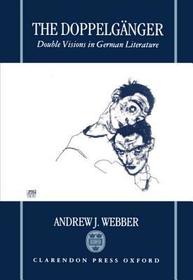
The Doppelgänger
Double Visions in German Literature
-
10% KEDVEZMÉNY?
- A kedvezmény csak az 'Értesítés a kedvenc témákról' hírlevelünk címzettjeinek rendeléseire érvényes.
- Kiadói listaár GBP 222.50
-
100 458 Ft (95 675 Ft + 5% áfa)
Az ár azért becsült, mert a rendelés pillanatában nem lehet pontosan tudni, hogy a beérkezéskor milyen lesz a forint árfolyama az adott termék eredeti devizájához képest. Ha a forint romlana, kissé többet, ha javulna, kissé kevesebbet kell majd fizetnie.
- Kedvezmény(ek) 10% (cc. 10 046 Ft off)
- Kedvezményes ár 90 413 Ft (86 108 Ft + 5% áfa)
Iratkozzon fel most és részesüljön kedvezőbb árainkból!
Feliratkozom
100 458 Ft

Beszerezhetőség
Megrendelésre a kiadó utánnyomja a könyvet. Rendelhető, de a szokásosnál kicsit lassabban érkezik meg.
Why don't you give exact delivery time?
A beszerzés időigényét az eddigi tapasztalatokra alapozva adjuk meg. Azért becsült, mert a terméket külföldről hozzuk be, így a kiadó kiszolgálásának pillanatnyi gyorsaságától is függ. A megadottnál gyorsabb és lassabb szállítás is elképzelhető, de mindent megteszünk, hogy Ön a lehető leghamarabb jusson hozzá a termékhez.
A termék adatai:
- Kiadó Clarendon Press
- Megjelenés dátuma 1996. június 27.
- ISBN 9780198159049
- Kötéstípus Keménykötés
- Terjedelem390 oldal
- Méret 224x144x27 mm
- Súly 643 g
- Nyelv angol
- Illusztrációk 4 halftones 0
Kategóriák
Rövid leírás:
The Doppelgänger, or double, has been a key figure in literary representations of subjectivity since the Romantic movement. This book, based largely on psychoanalytic models, argues that the double embodies an ongoing crisis of identity in and around German culture in the nineteenth century. From the tales of Hoffmann to the Gothic revivals of early German cinema, it is seen to haunt both vision and language, representing a traumatic split between desire and knowledge.
TöbbHosszú leírás:
Ever since its literary coinage in Jean Paul's novel, Siebenkäs (1796), the concept of Doppelgänger has had significant influence upon representations of the self in German literature. This study charts the development of the double from its origins in the Romantic period, through its more marginal - but nonetheless significant - manifestations in the post-Romantic culture, to its revival at the fin-de-si?cle and transfer to the silent screen.
The book features an introduction to the practice and theory underlying the use of the Doppelgänger, with particular reference to psychoanalysis, followed by chapters on Jean Paul, Hoffmann, Kleist, poetic realism (Droste-Hülshoff, Keller, Storm) and modernism (Kafka, Rilke, Hoffmannsthal, Schnitzler, Meyrink, Werfal). This study shows that the often underestimated figure of the double may provide a key to the epistomological, aesthetic and psychosexual structures of the texts it visits and revisits, with a particular focus on its effects in the fields of vision and language.
It is simply impossible to provide here an adequate description of a study that deals with a fairly large number of text and, more to the point, does so often from wide-ranging theoretical viewpoints eclectically applied.

