

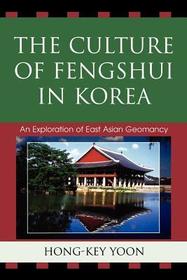
-
20% KEDVEZMÉNY?
- A kedvezmény csak az 'Értesítés a kedvenc témákról' hírlevelünk címzettjeinek rendeléseire érvényes.
- Kiadói listaár GBP 54.99
-
24 827 Ft (23 645 Ft + 5% áfa)
Az ár azért becsült, mert a rendelés pillanatában nem lehet pontosan tudni, hogy a beérkezéskor milyen lesz a forint árfolyama az adott termék eredeti devizájához képest. Ha a forint romlana, kissé többet, ha javulna, kissé kevesebbet kell majd fizetnie.
- Kedvezmény(ek) 20% (cc. 4 965 Ft off)
- Kedvezményes ár 19 862 Ft (18 916 Ft + 5% áfa)
- A kedvezmény érvényes eddig: 2026. június 30.
Iratkozzon fel most és részesüljön kedvezőbb árainkból!
Feliratkozom
24 827 Ft

Beszerezhetőség
Megrendelésre a kiadó utánnyomja a könyvet. Rendelhető, de a szokásosnál kicsit lassabban érkezik meg.
Why don't you give exact delivery time?
A beszerzés időigényét az eddigi tapasztalatokra alapozva adjuk meg. Azért becsült, mert a terméket külföldről hozzuk be, így a kiadó kiszolgálásának pillanatnyi gyorsaságától is függ. A megadottnál gyorsabb és lassabb szállítás is elképzelhető, de mindent megteszünk, hogy Ön a lehető leghamarabb jusson hozzá a termékhez.
A termék adatai:
- Kiadás sorszáma Reprint
- Kiadó Bloomsbury Publishing (UK)
- Megjelenés dátuma 2008. május 6.
- Kötetek száma Paperback
- ISBN 9780739113493
- Kötéstípus Puhakötés
- Terjedelem350 oldal
- Méret 230.12x153.16x25.908 mm
- Súly 517 g
- Nyelv angol 60
Kategóriák
Hosszú leírás:
"
The term Fengshui, which literally means 'wind and water,' is the ancient Chinese art of selecting an auspicious site to provide the most harmonious relationship between human and earth. The term is generally translated as ""geomancy,"" and has had a deep and extensive impact on Korean, Chinese, and other East Asian cultures. Hong-key Yoon's book explores the nature of geomantic principles and the culture of practicing them in Korean cultural contexts.
Yoon first examines the nature and historical background of geomancy, geomantic principles for auspicious sites (houses, graves, and cities) and provides an interpretation of geomantic principles as practiced in Korea. Yoon looks at geomancy's influence on cartography, religion and philosophy, and urban development in both Korea and China. Finally, Yoon debates the role of geomancy in the iconographical warfare between Japanese colonialism and Korean nationalism as it affected the cultural landscape of Kyongbok Palace in Seoul.
Tartalomjegyzék:
Chapter 1 Preface
Part 2 Part I: The Nature And Historical Background Of Geomancy
Chapter 3 Chapter 1: Introduction
Chapter 4 Chapter 2: The Origin and Evolution of Geomancy in Korea
Chapter 5 Chapter 3: The Introduction and Development of Geomancy in Korea
Part 6 Part II: Geomantic Principles Into Practice
Chapter 7 Chapter 4: Yin-Yang Theory and Geomancy
Chapter 8 Chapter 5: The Geomantic Principles for and Auspicious Site
Chapter 9 Chapter 6: The Principles of House Geomancy
Chapter 10 Chapter 7: Grave Geomancy Landscape
Chapter 11 Chapter 8: An Interpretation of Geomantic Principles
Chapter 12 Chapter 9: The Cartography of Geomancy
Part 13 Part III: Geomancy And Religion
Chapter 14 Chapter 10: Geomancy's Interaction with Buddhism
Chapter 15 Chapter 11: Confucian Ethos and Geomancy
Part 16 Part IV: Geomancy And Settlement
Chapter 17 Chapter 12: The Use of Geomantic Ideas in Chinese, Japanese, and Korean Cities
Chapter 18 Chapter 13: Seoul: A New Dynasty's Search for an Auspicious Site
Chapter 19 Chapter 14: The Social Construction of Kaesong
Part 20 Part V: Geomancy and Iconography
Chapter 21 Chapter 15: Iconographic Warfare and the Geomantic Landscape of Seoul
Chapter 22 Chapter 16: Conclusion

