

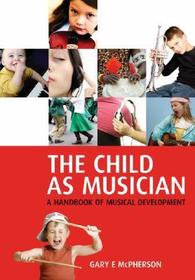
The Child as Musician
A handbook of musical development
-
10% KEDVEZMÉNY?
- A kedvezmény csak az 'Értesítés a kedvenc témákról' hírlevelünk címzettjeinek rendeléseire érvényes.
- Kiadói listaár GBP 43.99
-
19 861 Ft (18 915 Ft + 5% áfa)
Az ár azért becsült, mert a rendelés pillanatában nem lehet pontosan tudni, hogy a beérkezéskor milyen lesz a forint árfolyama az adott termék eredeti devizájához képest. Ha a forint romlana, kissé többet, ha javulna, kissé kevesebbet kell majd fizetnie.
- Kedvezmény(ek) 10% (cc. 1 986 Ft off)
- Kedvezményes ár 17 875 Ft (17 024 Ft + 5% áfa)
Iratkozzon fel most és részesüljön kedvezőbb árainkból!
Feliratkozom
19 861 Ft

Beszerezhetőség
A kiadónál véglegesen elfogyott, nem rendelhető. Érdemes újra keresni a címmel, hátha van újabb kiadás.
Why don't you give exact delivery time?
A beszerzés időigényét az eddigi tapasztalatokra alapozva adjuk meg. Azért becsült, mert a terméket külföldről hozzuk be, így a kiadó kiszolgálásának pillanatnyi gyorsaságától is függ. A megadottnál gyorsabb és lassabb szállítás is elképzelhető, de mindent megteszünk, hogy Ön a lehető leghamarabb jusson hozzá a termékhez.
A termék adatai:
- Kiadó Oxford University Press
- Megjelenés dátuma 2006. június 1.
- ISBN 9780198530329
- Kötéstípus Puhakötés
- Terjedelem528 oldal
- Méret 245x170x25 mm
- Súly 860 g
- Nyelv angol
- Illusztrációk 59 figures, 7 black & white photographs 0
Kategóriák
Rövid leírás:
The Child as Musician is an authoritative and comprehensive handbook of musical development from conception to late adolescence. In 24 chapters by leading specialists, it celebrates the richness and diversity of the many different ways in which children can engage in and interact with music. A landmark publication, this is a book that will fascinate both students and researchers - inspiring them to think deeply about the many different ways in which music
can affect children's lives and quality of life in communities throughout the world.
Hosszú leírás:
How do musical skills develop in children? What factors influence their development? What factors inhibit their development? Why do we like certain music during childhood and adolescence? Can music affect the development of other cognitive abilities in children, and how? These are just some of the questions considered in this fascinating new work.
The Child as Musician is an authoritative and comprehensive handbook of musical development from conception to late adolescence. Within 24 chapters by leading specialists, it celebrates the richness and diversity of the many different ways in which children can engage in and interact with music.
The 24 chapters have been organized according to five sections:
The first section (Development) examines the critical months and years from conception to the end of infancy. It looks at how the musical brain develops, ways of understanding musical development, and the nature of musicality.
Section two (Engagement) scrutinizes claims about the non-musical benefit of exposure to music, for example that music makes you smarter. This is followed by four thorough reviews dealing with musical preference and taste, literacy, aesthetic identity and the perception of emotion in music.
Section three (Differences) focuses on those issues that help explain and identify individual differences. It includes chapters examining how children develop their motivation to study music, conceptions of giftedness and talent, and two chapters on children with special needs.
Section four covers skills that can develop as a result of exposure to music. It considers the informal activities associated with musical play and the use of computers and technology. There are also chapters dealing with the acquisition of vocal and instrumental skills, as well as the individual and social worlds of children's musical creativity.
The final section of the book discusses five different Contexts: The chapter on historical perspectives provides readers with information that will assist them in making comparisons between how children have learned and developed their musical capacities in the past, with current opportunities. This is extended by two additional chapters that focus on children's involvement in music in non-western cultures. The book concludes with two chapters focusing on youth musical engagement and the
transition from child to adult.
Truly a landmark publication in music education and music psychology, this is a book that will fascinate both students and researchers - inspiring them to think deeply about the many different ways in which music can affect children's lives and the quality of life in communities throughout the world.
This timely, fascinating and thought-provoking set of essays, says editor Gary McPherson, sets out to 'celebrate the richness and diversity of the many different ways in which children can engage in and interact with music.' It succeeds magnificently, but provides moreit is a book that can be heartily recommended to anyone involved in music making and education, and - not least - to every parent.
Tartalomjegyzék:
Introduction
Section 1 - Development
Prenatal development
Infants as musical connoisseurs
The musical brain
What develops in musical development?
Musicality
Section 2 - Engagement
Exposure to music: the truth about consequences
Musical preference and taste in childhood and adolescence
Musical literacy
Aesthetic response
The perception of emotion in music
Section 3 - Differences
Developing motivation
Giftedness and talent
Including everyone
Music therapy for children
Section 4 - Skills
Musical play
Singing and vocal development
Playing an instrument
The individual and social worlds of children's musical creativity
Computers and technology
Section 5 - Contexts
Historical perspectives
Global practices
Cultural traditions
Positive youth musical engagement
Musician identity formation

