

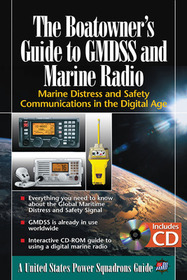
The Boatowner's Guide to GMDSS and Marine Radio
Marine Distress and Safety Communications in the Digital Age
-
10% KEDVEZMÉNY?
- A kedvezmény csak az 'Értesítés a kedvenc témákról' hírlevelünk címzettjeinek rendeléseire érvényes.
- Kiadói listaár GBP 9.39
-
4 486 Ft (4 272 Ft + 5% áfa)
Az ár azért becsült, mert a rendelés pillanatában nem lehet pontosan tudni, hogy a beérkezéskor milyen lesz a forint árfolyama az adott termék eredeti devizájához képest. Ha a forint romlana, kissé többet, ha javulna, kissé kevesebbet kell majd fizetnie.
- Kedvezmény(ek) 10% (cc. 449 Ft off)
- Kedvezményes ár 4 037 Ft (3 845 Ft + 5% áfa)
Iratkozzon fel most és részesüljön kedvezőbb árainkból!
Feliratkozom
4 486 Ft

Beszerezhetőség
Bizonytalan ideig nincs raktáron a kiadónál, rendelése nem javasolt.
Why don't you give exact delivery time?
A beszerzés időigényét az eddigi tapasztalatokra alapozva adjuk meg. Azért becsült, mert a terméket külföldről hozzuk be, így a kiadó kiszolgálásának pillanatnyi gyorsaságától is függ. A megadottnál gyorsabb és lassabb szállítás is elképzelhető, de mindent megteszünk, hogy Ön a lehető leghamarabb jusson hozzá a termékhez.
A termék adatai:
- Kiadás sorszáma SPI PAP/CD
- Kiadó International Marine
- Megjelenés dátuma 2006. január 16.
- ISBN 9780071463188
- Kötéstípus Puhakötés
- Terjedelem136 oldal
- Méret 228x154x12 mm
- Súly 230 g
- Nyelv angol 0
Kategóriák
Rövid leírás:
What every boater should know about using marine radios for emergency assistance and enhanced safety at sea
The new Global Maritime Distress and Safety System (GMDSS) is revolutionizing emergency communications and international search-and-rescue at sea. In recognition of this leap forward, all new marine radios are now equipped with digital selective calling (DSC). The Boatowner’s Guide to GMDSS and Marine Radio explains clearly and concisely how this revolutionary maritime 911 equivalent works and describes the enormous advantages of digital VHF radio for ordinary communications with fellow boaters.
This authoritative guide shows you how to use Digital Selective Calling (DSC) to send an emergency message that will automatically communicate your identity and position and repeat itself every four minutes. This not only frees you to pump water, make repairs, fight a fire, or prepare a life raft, but it also takes the “search” out of search and rescue.
This book—along with the included DSC marine radio simulator on CD-ROM—shows you how to:
Hosszú leírás:
The new digital Global Maritime Distress and Safety System(GMDSS) is revolutionizing emergency communications and international search-and-rescue at sea. Clearly and concisely, this one-of-a-kind guide presents what you should know about using digital marine radios for emergency assistance and enhanced safety.
The new digital Global Maritime Distress and Safety System(GMDSS) is revolutionizing emergency communications and international search-and-rescue at sea. Clearly and concisely, this one-of-a-kind guide presents what you should know about using digital marine radios for emergency assistance and enhanced safety.
Több
