

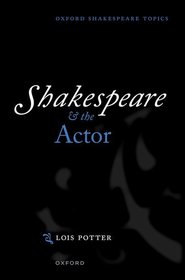
Shakespeare and the Actor
Sorozatcím: Oxford Shakespeare Topics;
-
10% KEDVEZMÉNY?
- A kedvezmény csak az 'Értesítés a kedvenc témákról' hírlevelünk címzettjeinek rendeléseire érvényes.
- Kiadói listaár GBP 20.99
-
9 476 Ft (9 025 Ft + 5% áfa)
Az ár azért becsült, mert a rendelés pillanatában nem lehet pontosan tudni, hogy a beérkezéskor milyen lesz a forint árfolyama az adott termék eredeti devizájához képest. Ha a forint romlana, kissé többet, ha javulna, kissé kevesebbet kell majd fizetnie.
- Kedvezmény(ek) 10% (cc. 948 Ft off)
- Kedvezményes ár 8 529 Ft (8 123 Ft + 5% áfa)
Iratkozzon fel most és részesüljön kedvezőbb árainkból!
Feliratkozom
9 476 Ft

Beszerezhetőség
Megrendelésre a kiadó utánnyomja a könyvet. Rendelhető, de a szokásosnál kicsit lassabban érkezik meg.
Why don't you give exact delivery time?
A beszerzés időigényét az eddigi tapasztalatokra alapozva adjuk meg. Azért becsült, mert a terméket külföldről hozzuk be, így a kiadó kiszolgálásának pillanatnyi gyorsaságától is függ. A megadottnál gyorsabb és lassabb szállítás is elképzelhető, de mindent megteszünk, hogy Ön a lehető leghamarabb jusson hozzá a termékhez.
A termék adatai:
- Kiadó OUP Oxford
- Megjelenés dátuma 2022. június 16.
- ISBN 9780198852629
- Kötéstípus Puhakötés
- Terjedelem176 oldal
- Méret 200x135x10 mm
- Súly 206 g
- Nyelv angol 213
Kategóriák
Rövid leírás:
A history of acting Shakespeare that explores the ways in which the lives and careers of actors have been shaped or influenced by playing Shakespearean roles, from Shakespeare's time to the present day.
TöbbHosszú leírás:
What is a 'Shakespearean actor'? Does the term still have any meaning? Drawing on the biographical and autobiographical accounts of actors and directors, as well as on interviews with actors from a wide range of backgrounds, this book looks at these questions in a variety of contexts, historical and contemporary. A survey of the training of the classical actor, with its increasing vocal and physical demands, considers how it, like its subsequent career path, is affected by class and gender. There is discussion of the uneasy balance of power between actors and directors, rehearsal practice, the difficulties faced by women as performers and directors, and attempts at undirected productions. Other chapters consider the roles that actors do and don't want to play, and why, their relation to the Shakespeare text and editorial practice, the complex relationship between actor and audience, and the popularity of anecdotes about things that go wrong. Throughout, examples are taken, as far as possible, from the author's own long experience of theatregoing. A final chapter looks at new trends in the theatre that have been accelerated by the long period of closure during the pandemic, particularly attempts at greater inclusivity in both actors and audiences. It concludes that the main reason Shakespeare is performed is that actors want to play the roles he wrote.
TöbbTartalomjegyzék:
Preface
The Idea of the Shakespearian Actor
Training
Directors
Text
Roles
Audiences
Trends
Notes
Further Reading

