

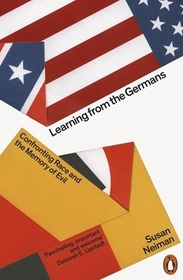
Learning from the Germans
Confronting Race and the Memory of Evil
-
20% KEDVEZMÉNY?
- Kiadói listaár GBP 10.99
-
4 961 Ft (4 725 Ft + 5% áfa)
Az ár azért becsült, mert a rendelés pillanatában nem lehet pontosan tudni, hogy a beérkezéskor milyen lesz a forint árfolyama az adott termék eredeti devizájához képest. Ha a forint romlana, kissé többet, ha javulna, kissé kevesebbet kell majd fizetnie.
- Kedvezmény(ek) 20% (cc. 992 Ft off)
- Kedvezményes ár 3 969 Ft (3 780 Ft + 5% áfa)
3 969 Ft

Beszerezhetőség
Bizonytalan a beszerezhetőség. Érdemes még egyszer keresni szerzővel és címmel. Ha nem talál másik, kapható kiadást, forduljon ügyfélszolgálatunkhoz!
Why don't you give exact delivery time?
A beszerzés időigényét az eddigi tapasztalatokra alapozva adjuk meg. Azért becsült, mert a terméket külföldről hozzuk be, így a kiadó kiszolgálásának pillanatnyi gyorsaságától is függ. A megadottnál gyorsabb és lassabb szállítás is elképzelhető, de mindent megteszünk, hogy Ön a lehető leghamarabb jusson hozzá a termékhez.
A termék adatai:
- Kiadó Penguin Books Ltd
- Megjelenés dátuma 2020. augusztus 27.
- Kötetek száma B-format paperback
- ISBN 9780141983424
- Kötéstípus Puhakötés
- Terjedelem432 oldal
- Méret 197x128x23 mm
- Súly 318 g
- Nyelv angol 0
Kategóriák
Hosszú leírás:
'An ambitious and engrossing investigation of the moral legacies which stubbornly refuse to pass' Brendan Simms
As the western world struggles with its legacies of racism and colonialism, what can we learn from the past in order to move forward?
Susan Neiman's Learning from the Germans delivers an urgently needed perspective on how a country can come to terms with its historical wrongdoings. Neiman, who grew up as a white girl in the American South during the civil rights movement, is a Jewish woman who has spent much of her adult life in Berlin. In clear and gripping prose, she uses this unique perspective to combine philosophical reflection, personal history and conversations with both Americans and Germans who are grappling with the evils of their own national histories.
Through focusing on the particularities of those histories, she provides examples for other nations, whether they are facing resurgent nationalism, ongoing debates over reparations or controversies surrounding historical monuments and the contested memories they evoke. It is necessary reading for all those confronting their own troubled pasts.

