

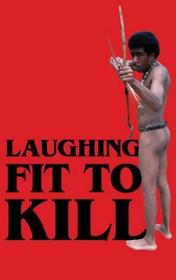
Laughing Fit to Kill
Black Humor in the Fictions of Slavery
-
10% KEDVEZMÉNY?
- A kedvezmény csak az 'Értesítés a kedvenc témákról' hírlevelünk címzettjeinek rendeléseire érvényes.
- Kiadói listaár GBP 25.49
-
11 508 Ft (10 960 Ft + 5% áfa)
Az ár azért becsült, mert a rendelés pillanatában nem lehet pontosan tudni, hogy a beérkezéskor milyen lesz a forint árfolyama az adott termék eredeti devizájához képest. Ha a forint romlana, kissé többet, ha javulna, kissé kevesebbet kell majd fizetnie.
- Kedvezmény(ek) 10% (cc. 1 151 Ft off)
- Kedvezményes ár 10 357 Ft (9 864 Ft + 5% áfa)
Iratkozzon fel most és részesüljön kedvezőbb árainkból!
Feliratkozom
11 508 Ft

Beszerezhetőség
Megrendelésre a kiadó utánnyomja a könyvet. Rendelhető, de a szokásosnál kicsit lassabban érkezik meg.
Why don't you give exact delivery time?
A beszerzés időigényét az eddigi tapasztalatokra alapozva adjuk meg. Azért becsült, mert a terméket külföldről hozzuk be, így a kiadó kiszolgálásának pillanatnyi gyorsaságától is függ. A megadottnál gyorsabb és lassabb szállítás is elképzelhető, de mindent megteszünk, hogy Ön a lehető leghamarabb jusson hozzá a termékhez.
A termék adatai:
- Kiadás sorszáma és címe Richard Pryor and Dave Chappelle's modes of post-Civil Rights tragicomedy are deeply indebted to that of William Wells Brown and Charles Chesnutt's 19th-century comedic conjuring. Likewise
- Kiadó OUP USA
- Megjelenés dátuma 2008. július 3.
- ISBN 9780195304695
- Kötéstípus Puhakötés
- Terjedelem304 oldal
- Méret 155x234x27 mm
- Súly 468 g
- Nyelv angol
- Illusztrációk 16 pp colour plates, halftones 0
Kategóriák
Hosszú leírás:
Modern black humor represents a rich history of radical innovation stretching back to the antebellum period. Laughing Fit to Kill reveals how black writers, artists, and comedians have used humor across two centuries as a uniquely powerful response to forced migration and enslavement.
Glenda Carpio traces how, through various modes of "conjuring," through gothic, grotesque and absurdist slapstick, through stinging satire, hyperbole, and burlesque, and through the strategic expression of racial stereotype itself, black humorists of all sorts have enacted "rituals of redress." In highlighting the tradition and tropes of black humorists, Carpio illuminates the reach of slavery's long arm into our contemporary popular culture. She convincingly demonstrates the ways that, for instance, Richard Pryor and Dave Chappelle's modes of post-Civil Rights tragicomedy are deeply indebted to that of William Wells Brown and Charles Chesnutt's 19th-century comedic conjuring. Likewise, she reveals how contemporary iconoclasts such as Ishmael Reed and Suzan-Lori Parks owe much to the intricate satiric grammar of black linguistic expression rooted in slavery. Carpio also demonstrates how Robert Colescott's 1970s paintings and Kara Walker's silhouette installations use a visual vocabulary to extend comedy in a visual register.
The jokes in this tradition are bawdy, brutal, horrific and insurgent, and they have yet to be fully understood. Laughing Fit to Kill provides a new critical lexicon for understanding the jabbing punch-lines that have followed slavery's long legacy.
shows us the resilient power of African-American traditions of humor and comedy, and the almost as resilient power of racist stereotypes and discourses
Tartalomjegyzék:
Introduction
"Laffin fit ter kill:" Black Humor in the Fiction of William Wells Brown and Charles W. Chesnutt
The Conjurer Recoils: Slavery in Richard Prio and Chappelle's Show
Conjuring the Mysteries of Slavery: Voodoo, Fetishism, and Stereotype in Ishmael Reed's Flight to Canada
"A Comedy of the Grotesque" Robert Colescott, Kara Walker and the Iconography of Slavery
The Tragicomedy of Slavery in Suzan-Lori Parks' Early Plays
Bibliography

