

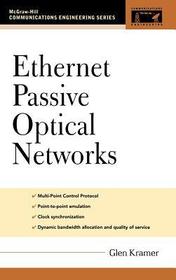
Ethernet Passive Optical Networks
Sorozatcím: Professional Engineering;
-
10% KEDVEZMÉNY?
- A kedvezmény csak az 'Értesítés a kedvenc témákról' hírlevelünk címzettjeinek rendeléseire érvényes.
- Kiadói listaár GBP 117.99
-
53 272 Ft (50 735 Ft + 5% áfa)
Az ár azért becsült, mert a rendelés pillanatában nem lehet pontosan tudni, hogy a beérkezéskor milyen lesz a forint árfolyama az adott termék eredeti devizájához képest. Ha a forint romlana, kissé többet, ha javulna, kissé kevesebbet kell majd fizetnie.
- Kedvezmény(ek) 10% (cc. 5 327 Ft off)
- Kedvezményes ár 47 945 Ft (45 662 Ft + 5% áfa)
Iratkozzon fel most és részesüljön kedvezőbb árainkból!
Feliratkozom
53 272 Ft

Beszerezhetőség
Becsült beszerzési idő: A Prosperónál jelenleg nincsen raktáron, de a kiadónál igen. Beszerzés kb. 3-5 hét..
A Prosperónál jelenleg nincsen raktáron.
Why don't you give exact delivery time?
A beszerzés időigényét az eddigi tapasztalatokra alapozva adjuk meg. Azért becsült, mert a terméket külföldről hozzuk be, így a kiadó kiszolgálásának pillanatnyi gyorsaságától is függ. A megadottnál gyorsabb és lassabb szállítás is elképzelhető, de mindent megteszünk, hogy Ön a lehető leghamarabb jusson hozzá a termékhez.
A termék adatai:
- Kiadó McGraw Hill
- Megjelenés dátuma 2005. április 16.
- ISBN 9780071445627
- Kötéstípus Keménykötés
- Terjedelem307 oldal
- Méret 231x149x28 mm
- Súly 611 g
- Nyelv angol 0
Kategóriák
Rövid leírás:
THE DEFINITIVE GUIDE TO EPON
Written by one of the authors of the IEEE802.3ah standard, this is the first book to fully explain the EPON architecture, analyze its performance, and annotate the standard.
Clearly addressing efficiency, performance, and implementation issues, Ethernet Passive Optical Networks provides valuable, annotated insights into all engineering-critical EPON topics, including:
- PON enabling technologies
- Point-to-point emulation
- Multi-point control protocol
- Error correction
- Performance analysis
- Discovery optimizations
- Quality of service in EPON
- Fairness vs. efficiency
There is no more expert or complete guide to understanding the performance and architectural complexities of EPON than Ethernet Passive Optical Networks.
Inside Ethernet Passive Optical Networks:
Part I: Overview of Access Network Architectures * Introduction * Overview of PON Enabling Technologies * Access Network Architectures Based on TDMA PON * Emergence of Ethernet PON Part II: EPON Architecture* EPON Overview * Logical Topology Emulation * Laser Control Function * Multi-Point Control Protocol: A Formal Specification * Forward Error CorrectionPart III: System-Level Issues * EPON Encryption Mechanism * Path Protection in EPON Part IV: EPON Performance Baseline Efficiency * Discovery Slot Allocation * EPON with Static Slot Assignment * EPON with Dynamic Slot Assignment * Support for Differentiated Classes of Service * Objectives of EPON Scheduling Algorithm * Cousin-Fair Hierarchical Scheduling in EPON * Conclusion
TöbbHosszú leírás:
Publisher's Note: Products purchased from Third Party sellers are not guaranteed by the publisher for quality, authenticity, or access to any online entitlements included with the product.
THE DEFINITIVE GUIDE TO EPON
Written by one of the authors of the IEEE802.3ah standard, this is the first book to fully explain the EPON architecture, analyze its performance, and annotate the standard.
Clearly addressing efficiency, performance, and implementation issues, Ethernet Passive Optical Networks provides valuable, annotated insights into all engineering-critical EPON topics, including:
- PON enabling technologies
- Point-to-point emulation
- Multi-point control protocol
- Error correction
- Performance analysis
- Discovery optimizations
- Quality of service in EPON
- Fairness vs. efficiency
There is no more expert or complete guide to understanding the performance and architectural complexities of EPON than Ethernet Passive Optical Networks.
Inside Ethernet Passive Optical Networks:
Part I: Overview of Access Network Architectures * Introduction * Overview of PON Enabling Technologies * Access Network Architectures Based on TDMA PON * Emergence of Ethernet PON Part II: EPON Architecture* EPON Overview * Logical Topology Emulation * Laser Control Function * Multi-Point Control Protocol: A Formal Specification * Forward Error CorrectionPart III: System-Level Issues * EPON Encryption Mechanism * Path Protection in EPON Part IV: EPON Performance Baseline Efficiency * Discovery Slot Allocation * EPON with Static Slot Assignment * EPON with Dynamic Slot Assignment * Support for Differentiated Classes of Service * Objectives of EPON Scheduling Algorithm * Cousin-Fair Hierarchical Scheduling in EPON * Conclusion
Publisher's Note: Products purchased from Third Party sellers are not guaranteed by the publisher for quality, authenticity, or access to any online entitlements included with the product.
THE DEFINITIVE GUIDE TO EPON
Written by one of the authors of the IEEE802.3ah standard, this is the first book to fully explain the EPON architecture, analyze its performance, and annotate the standard.
Clearly addressing efficiency, performance, and implementation issues, Ethernet Passive Optical Networks provides valuable, annotated insights into all engineering-critical EPON topics, including:
- PON enabling technologies
- Point-to-point emulation
- Multi-point control protocol
- Error correction
- Performance analysis
- Discovery optimizations
- Quality of service in EPON
- Fairness vs. efficiency
There is no more expert or complete guide to understanding the performance and architectural complexities of EPON than Ethernet Passive Optical Networks.
Inside Ethernet Passive Optical Networks:
Part I: Overview of Access Network Architectures * Introduction * Overview of PON Enabling Technologies * Access Network Architectures Based on TDMA PON * Emergence of Ethernet PON Part II: EPON Architecture* EPON Overview * Logical Topology Emulation * Laser Control Function * Multi-Point Control Protocol: A Formal Specification * Forward Error CorrectionPart III: System-Level Issues * EPON Encryption Mechanism * Path Protection in EPON Part IV: EPON Performance Baseline Efficiency * Discovery Slot Allocation * EPON with Static Slot Assignment * EPON with Dynamic Slot Assignment * Support for Differentiated Classes of Service * Objectives of EPON Scheduling Algorithm * Cousin-Fair Hierarchical Scheduling in EPON * Conclusion
Több
