

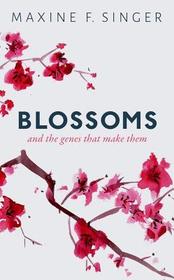
Blossoms
And the genes that make them
-
10% KEDVEZMÉNY?
- A kedvezmény csak az 'Értesítés a kedvenc témákról' hírlevelünk címzettjeinek rendeléseire érvényes.
- Kiadói listaár GBP 20.99
-
10 027 Ft (9 550 Ft + 5% áfa)
Az ár azért becsült, mert a rendelés pillanatában nem lehet pontosan tudni, hogy a beérkezéskor milyen lesz a forint árfolyama az adott termék eredeti devizájához képest. Ha a forint romlana, kissé többet, ha javulna, kissé kevesebbet kell majd fizetnie.
- Kedvezmény(ek) 10% (cc. 1 003 Ft off)
- Kedvezményes ár 9 025 Ft (8 595 Ft + 5% áfa)
Iratkozzon fel most és részesüljön kedvezőbb árainkból!
Feliratkozom
10 027 Ft

Beszerezhetőség
Megrendelésre a kiadó utánnyomja a könyvet. Rendelhető, de a szokásosnál kicsit lassabban érkezik meg.
Why don't you give exact delivery time?
A beszerzés időigényét az eddigi tapasztalatokra alapozva adjuk meg. Azért becsült, mert a terméket külföldről hozzuk be, így a kiadó kiszolgálásának pillanatnyi gyorsaságától is függ. A megadottnál gyorsabb és lassabb szállítás is elképzelhető, de mindent megteszünk, hogy Ön a lehető leghamarabb jusson hozzá a termékhez.
A termék adatai:
- Kiadó OUP Oxford
- Megjelenés dátuma 2018. április 26.
- ISBN 9780198811138
- Kötéstípus Keménykötés
- Terjedelem176 oldal
- Méret 224x142x19 mm
- Súly 308 g
- Nyelv angol
- Illusztrációk A number of black and white halftones and an 8 page colour plate section 0
Kategóriák
Rövid leírás:
Flowers evolved to attract pollinators, so new generations of plant can form. But how do plants know when to bloom, and how do they construct their flowers? This book describes what we have learnt of the astonishing genetic and epigenetic processes behind the dazzling variety of flower shapes, colours, and scents.
TöbbHosszú leírás:
How do plants, even if still buried underground, know that it's their time to bloom? What signals them to begin the challenging task of making flowers, and how do they make the variety of flower shapes, colours, and scents? What kind of instructions does the plant carry?
Flowers enrich the beauty of meadows and gardens, but of course, they are not there simply to please us. Biologically, blossoms form a critical aspect of the reproductive cycle of many plants. In this book, the distinguished scientist Maxine Singer explains what we have pieced together about the genetics behind flowering. She describes in a clear and accessible account the key genes which, regulated by other genes, modulated by epigenetic effects, and responding to environmental cues, cause plants to flower at a particular time, and define the variety of flowers. The remarkably intricate processes involved in making flowers have evolved in nature alongside the pollinating birds and insects that the flowers must attract if there is to be another generation. The processes involved in flowering have only been unravelled in the past twenty years, and the implications for ensuring production of food, including fruits and seeds, are profound. This is cutting-edge science, and we have much still to learn, but the story being revealed that lies behind the flowers in our gardens, parks, and fields is proving astonishing.
If you've ever been fascinated by watching flowers grow and wondered how plants make them, this fascinating book is for you. I guarantee you will never look at flowers the same way again.
Tartalomjegyzék:
Introduction
PART I: What Plants are and What They Can Do
Names
Plants are like animals only different
Sensing the Environment
PART II: How Genes Work
How Genes Work
Switching Genes On and Off
PART III: Time To Flower
Growing Up Green
Warm and Cold
Light and Dark
PART IV: Shaping a Flower
The Construction Site
Special Shapes
PART V: Decorating a Flower
Painting the Petals
The Perfume Factory
A Final Word
Glossary

