

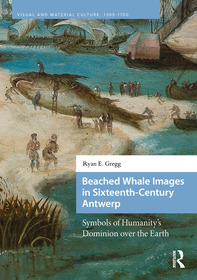
Beached Whale Images in Sixteenth-Century Antwerp
Symbols of Humanity’s Dominion over the Earth
Sorozatcím: Visual and Material Culture, 1300-1700;
-
20% KEDVEZMÉNY?
- A kedvezmény csak az 'Értesítés a kedvenc témákról' hírlevelünk címzettjeinek rendeléseire érvényes.
- Kiadói listaár GBP 155.00
-
69 982 Ft (66 650 Ft + 5% áfa)
Az ár azért becsült, mert a rendelés pillanatában nem lehet pontosan tudni, hogy a beérkezéskor milyen lesz a forint árfolyama az adott termék eredeti devizájához képest. Ha a forint romlana, kissé többet, ha javulna, kissé kevesebbet kell majd fizetnie.
- Kedvezmény(ek) 20% (cc. 13 996 Ft off)
- Kedvezményes ár 55 986 Ft (53 320 Ft + 5% áfa)
- A kedvezmény érvényes eddig: 2026. június 30.
Iratkozzon fel most és részesüljön kedvezőbb árainkból!
Feliratkozom
62 984 Ft

Beszerezhetőség
Becsült beszerzési idő: A Prosperónál jelenleg nincsen raktáron, de a kiadónál igen. Beszerzés kb. 3-5 hét..
A Prosperónál jelenleg nincsen raktáron.
Why don't you give exact delivery time?
A beszerzés időigényét az eddigi tapasztalatokra alapozva adjuk meg. Azért becsült, mert a terméket külföldről hozzuk be, így a kiadó kiszolgálásának pillanatnyi gyorsaságától is függ. A megadottnál gyorsabb és lassabb szállítás is elképzelhető, de mindent megteszünk, hogy Ön a lehető leghamarabb jusson hozzá a termékhez.
A termék adatai:
- Kiadás sorszáma 1
- Kiadó Routledge
- Megjelenés dátuma 2026. április 16.
- ISBN 9789048566242
- Kötéstípus Keménykötés
- Terjedelem198 oldal
- Méret 246x174 mm
- Súly 530 g
- Nyelv angol
- Illusztrációk 54 Illustrations, black & white; 9 Illustrations, color; 54 Halftones, black & white; 9 Halftones, color 687
Kategóriák
Rövid leírás:
This book examines a small group of sixteenth-century Antwerp artworks depicting the butchering of beached whales, revealing how these images represent a pivotal moment in European attitudes toward nature.
Több
Hosszú leírás:
This book examines a small group of sixteenth-century Antwerp artworks depicting the butchering of beached whales, revealing how these images represent a pivotal moment in European attitudes toward nature. It argues that these "cetaceous units"—iconographic compounds showing humans dominating marine mammals—served as powerful symbols of humanity's relationship with the ocean and the natural world more broadly, marking a transition from medieval moralizing approaches to early modern empirical investigation.
The study provides a detailed iconographical analysis of works by artists such as Herri met de Bles, Master J. Kock, Anton van den Wyngaerde, and Hendrick Goltzius. It traces the evolution of whale imagery from ancient Roman sources through medieval bestiaries to Renaissance naturalist texts, examining how flensing scenes reflected contemporary whaling practices while symbolizing Christian themes and political authority. The study incorporates ecocritical methodology to demonstrate how these images justified European exploitation of natural resources and established visual precedents for later scientific illustration.
This book will appeal to art historians specializing in early modern art, environmental historians, and scholars of ecocriticism. It offers valuable insights for researchers interested in human–animal relationships, maritime history, and the intersection of art with scientific inquiry during the Renaissance period.
TöbbTartalomjegyzék:
Introduction. 1. Magnus, Gessner, and the Codification of an Iconography 2. The Antwerp Flensing Group 3. Ancient and Medieval Whales: Moralizing Monstrous Marine Mammals 4. Hunted and Stranded Whales: Dominion over Nature 5. Beached Whales: Natural Marvel and Dutch Symbol 6. Conclusions. Bibliography
Több
