

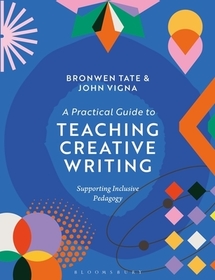
A Practical Guide to Teaching Creative Writing
Supporting Inclusive Pedagogy
-
20% KEDVEZMÉNY?
- A kedvezmény csak az 'Értesítés a kedvenc témákról' hírlevelünk címzettjeinek rendeléseire érvényes.
- Kiadói listaár GBP 65.00
-
29 347 Ft (27 950 Ft + 5% áfa)
Az ár azért becsült, mert a rendelés pillanatában nem lehet pontosan tudni, hogy a beérkezéskor milyen lesz a forint árfolyama az adott termék eredeti devizájához képest. Ha a forint romlana, kissé többet, ha javulna, kissé kevesebbet kell majd fizetnie.
- Kedvezmény(ek) 20% (cc. 5 869 Ft off)
- Kedvezményes ár 23 478 Ft (22 360 Ft + 5% áfa)
- A kedvezmény érvényes eddig: 2026. június 30.
Iratkozzon fel most és részesüljön kedvezőbb árainkból!
Feliratkozom
29 347 Ft

Beszerezhetőség
Megrendelésre a kiadó utánnyomja a könyvet. Rendelhető, de a szokásosnál kicsit lassabban érkezik meg.
Why don't you give exact delivery time?
A beszerzés időigényét az eddigi tapasztalatokra alapozva adjuk meg. Azért becsült, mert a terméket külföldről hozzuk be, így a kiadó kiszolgálásának pillanatnyi gyorsaságától is függ. A megadottnál gyorsabb és lassabb szállítás is elképzelhető, de mindent megteszünk, hogy Ön a lehető leghamarabb jusson hozzá a termékhez.
A termék adatai:
- Kiadó Bloomsbury Publishing (UK)
- Megjelenés dátuma 2026. április 30.
- Kötetek száma Hardback
- ISBN 9781350427716
- Kötéstípus Keménykötés
- Terjedelem256 oldal
- Méret 246x189 mm
- Nyelv angol
- Illusztrációk 41 bw illus 700
Kategóriák
Rövid leírás:
"A comprehensive, one-stop guide for creative writing teachers at all levels, offering conceptually rich introductions, practical examples and actionable interventions from ""Iterative Process"" to ""Craft, Context, and Culture,"" featuring cameos and micro-interviews with innovators across the field."
TöbbHosszú leírás:
Grounded in progressive pedagogy, this essential resource leads creative writing instructors through each step of designing, teaching, and trouble-shooting a course. A Practical Guide to Teaching Creative Writing offers applied strategies and innovative insights equally valuable for novice and seasoned instructors. Tate and Vigna share tried and tested approaches to online, in-person, and hybrid classes from 6 to 300+ students, attentive to the specific opportunities and challenges of genres from fiction to comics, poetry to TV, creative nonfiction to lyric writing. This lively and accessible book includes timely and inclusive recommendations, enlightening interviews with a diverse lineup of writers and teachers, hands-on examples, and actionable interventions to help instructors create rich and meaningful courses that challenge and support students.
A Practical Guide to Teaching Creative Writing provides:
- Interviews with guest authors and instructors who share classroom strategies, pedagogical provocations, and proven practices-including Felicia Rose Chavez on inclusive course design, Liz Lerman on developing Critical Response Process, Nalo Hopkinson on research and speculative fiction, and many more.
- Approaches to active learning in undergraduate and graduate classrooms ranging in size and institutional context.
- Guidance on creating effective and meaningful assignments in writing, reading, research, and revision that scaffold learning and build capacity.
- Best practices for creating community and navigating the ever-evolving needs of students.
- Exploration of thorny topics like workshop conflict, assessment, and GenAI.
- Chapters devoted to supporting thesis and capstone work and navigating classroom challenges.
With a strong ethos of openness, mutual discovery, and exchange of ideas and expertise, A Practical Guide to Teaching Creative Writing invites instructors to experiment with new ways of thinking, creating, writing, and teaching memorable courses.
Tartalomjegyzék:
Interviews
Sample Assignments
Acknowledgments
Chapter 1: The Narrative of Your Course
Chapter 2: Assignment Design
Chapter 3: Structured Experiments and Generative Writing
Chapter 4: In-class Activities and Active Learning
Chapter 5: Craft, Culture, Context
Chapter 6: Working with Models and Mentor Texts
Chapter 7: Workshop Approaches and Alternatives
Chapter 8: Revision and Iterative Practice
Chapter 9: Inquiry and Research
Chapter 10: Assessment and Grading
Chapter 11: Supporting Thesis and Capstone Work
Chapter 12: Navigating Classroom Challenges
Works Cited
Index

