

-
20% KEDVEZMÉNY?
- A kedvezmény csak az 'Értesítés a kedvenc témákról' hírlevelünk címzettjeinek rendeléseire érvényes.
- Kiadói listaár GBP 10.99
-
4 961 Ft (4 725 Ft + 5% áfa)
Az ár azért becsült, mert a rendelés pillanatában nem lehet pontosan tudni, hogy a beérkezéskor milyen lesz a forint árfolyama az adott termék eredeti devizájához képest. Ha a forint romlana, kissé többet, ha javulna, kissé kevesebbet kell majd fizetnie.
- Kedvezmény(ek) 20% (cc. 992 Ft off)
- Kedvezményes ár 3 969 Ft (3 780 Ft + 5% áfa)
- A kedvezmény érvényes eddig: 2026. június 30.
Iratkozzon fel most és részesüljön kedvezőbb árainkból!
Feliratkozom
4 961 Ft

Beszerezhetőség
Becsült beszerzési idő: A Prosperónál jelenleg nincsen raktáron, de a kiadónál igen. Beszerzés kb. 3-5 hét..
A Prosperónál jelenleg nincsen raktáron.
Why don't you give exact delivery time?
A beszerzés időigényét az eddigi tapasztalatokra alapozva adjuk meg. Azért becsült, mert a terméket külföldről hozzuk be, így a kiadó kiszolgálásának pillanatnyi gyorsaságától is függ. A megadottnál gyorsabb és lassabb szállítás is elképzelhető, de mindent megteszünk, hogy Ön a lehető leghamarabb jusson hozzá a termékhez.
A termék adatai:
- Kiadó OUP USA
- Megjelenés dátuma 2019. január 10.
- ISBN 9780190657703
- Kötéstípus Puhakötés
- Terjedelem272 oldal
- Méret 208x142x17 mm
- Súly 272 g
- Nyelv angol 0
Kategóriák
Rövid leírás:
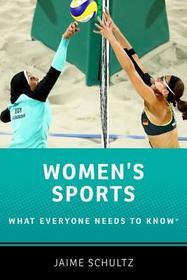
Using historical, contemporary, scholarly, and popular sources, Schultz traces the progress and pitfalls of women's involvement in sport. By attending to issues such as gender, sexuality, sex segregation, the Olympic and Paralympic Games, media coverage, and the sport-health connection, Schultz shows why women's sports are important for players, fans, and society.
TöbbHosszú leírás:
Although girls and women account for approximately 40 percent of all athletes in the United States, they receive only 4 percent of the total sport media coverage. SportsCenter, ESPN's flagship program, dedicates less than 2 percent of its airtime to women. Local news networks devote less than 5 percent of their programming to women's sports. Excluding Sports Illustrated's annual "Swimsuit Issue," women appear on just 4.9 percent of the magazine's covers.
Media is a powerful indication of the culture surrounding sport in the United States. Why are women underrepresented in sports media? Sports Illustrated journalist Andy Benoit infamously remarked that women's sports "are not worth watching." Although he later apologized, Benoit's comment points to more general lack of awareness. Consider, for example, the confusion surrounding Title IX, the U.S. Law that prohibits sex discrimination in any educational program that receives federal financial assistance. Is Title IX to blame when administrators drop men's athletic programs? Is it lack of interest or lack of opportunity that causes girls and women to participate in sport at lower rates than boys and men? In Women's Sports, Jaime Schultz tackles these questions, along with many others, to upend the misunderstandings that plague women's sports.
Using historical, contemporary, scholarly, and popular sources, Schultz traces the progress and pitfalls of women's involvement in sport. In the signature question-and-answer format of the What Everyone Needs to Know® series, this short and accessible book clarifies misconceptions that dog women's athletics and offers much needed context and history to illuminate the struggles and inequalities sportswomen continue to face. By exploring issues such as gender, sexuality, sex segregation, the Olympic and Paralympic Games, media coverage, and the sport-health connection, Schultz shows why women's sports are not just worth watching, but worth playing, supporting, and fighting for.
Women's sport is more than about games; it's also about transformation and empowerment. In this important book, Jaime Schultz tells us how sport is rapidly changing the world's perception of women... and why it matters.
Tartalomjegyzék:
Chapter 1: Why Women's Sport Matters
Chapter 2: A Brief History of Women's Sports
Chapter 3: The Influence of Title IX
Chapter 4: Gender and Sport
Chapter 5: Sexualities and Sport
Chapter 6: Sex Segregation
Chapter 7: The Olympic and Paralympic Games
Chapter 8: Women, Sport, and the Media
Chapter 9: Professional Opportunities
Chapter 10: The Sport-Health Connection
Chapter 11: Moving On

