

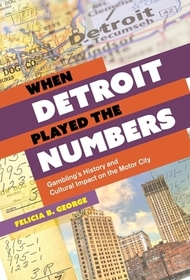
When Detroit Played the Numbers
Gambling's History and Cultural Impact on the Motor City
-
20% KEDVEZMÉNY?
- A kedvezmény csak az 'Értesítés a kedvenc témákról' hírlevelünk címzettjeinek rendeléseire érvényes.
- Kiadói listaár GBP 22.99
-
10 379 Ft (9 885 Ft + 5% áfa)
Az ár azért becsült, mert a rendelés pillanatában nem lehet pontosan tudni, hogy a beérkezéskor milyen lesz a forint árfolyama az adott termék eredeti devizájához képest. Ha a forint romlana, kissé többet, ha javulna, kissé kevesebbet kell majd fizetnie.
- Kedvezmény(ek) 20% (cc. 2 076 Ft off)
- Kedvezményes ár 8 303 Ft (7 908 Ft + 5% áfa)
- A kedvezmény érvényes eddig: 2026. június 30.
Iratkozzon fel most és részesüljön kedvezőbb árainkból!
Feliratkozom
10 379 Ft

Beszerezhetőség
Becsült beszerzési idő: A Prosperónál jelenleg nincsen raktáron, de a kiadónál igen. Beszerzés kb. 3-5 hét..
A Prosperónál jelenleg nincsen raktáron.
Why don't you give exact delivery time?
A beszerzés időigényét az eddigi tapasztalatokra alapozva adjuk meg. Azért becsült, mert a terméket külföldről hozzuk be, így a kiadó kiszolgálásának pillanatnyi gyorsaságától is függ. A megadottnál gyorsabb és lassabb szállítás is elképzelhető, de mindent megteszünk, hogy Ön a lehető leghamarabb jusson hozzá a termékhez.
A termék adatai:
- Kiadó Wayne State University Press
- Megjelenés dátuma 2024. március 26.
- ISBN 9780814350768
- Kötéstípus Puhakötés
- Terjedelem272 oldal
- Méret 229x152 mm
- Súly 272 g
- Nyelv angol
- Illusztrációk 26 b&w photos 490
Kategóriák
Rövid leírás:
A testament to the tenacious spirit embodied in Detroit culture and history, this account reveals how numbers gambling, initially an illegal enterprise, became a community resource and institution of solidarity for Black communities through times of racial disenfranchisement and labor instability.
TöbbHosszú leírás:
"
The true story of how Detroit entrepreneurs created a thriving—if illegal—lottery system to support themselves and uplift their communities.
A testament to the tenacious spirit embodied in Detroit culture and history, this account reveals how numbers gambling, initially an illegal enterprise, became a community resource and institution of solidarity for Black communities through times of racial disenfranchisement and labor instability. Author Felicia B. George sheds light on the lives of Detroit's numbers operators—many self-made entrepreneurs who overcame poverty and navigated the pitfalls of racism and capitalism by both legal and illegal means. Illegal lottery operators and their families and employees were often exposed to precarity and other adverse conditions, and they profited from their neighbors' hope to make it through another day. Despite scandal and exploitation, these operators and their families also became important members of the community, providing steady employment and financial support for local businesses. This book provides a glimpse into the rich culture and history of Detroit's Black Bottom and Paradise Valley neighborhoods, linking the growing gambling scene there with key characters and moments in local history, including Joe Louis's rise to fame and the recall of a mayor backed by the Ku Klux Klan. In succinct and engrossing chapters, George explores issues of community, race, politics, and the scandals that sprang up along the way, discovering how ""playing the numbers"" grew from a state-proclaimed crime to an encouraged legal activity.
" Több
