

-
10% KEDVEZMÉNY?
- A kedvezmény csak az 'Értesítés a kedvenc témákról' hírlevelünk címzettjeinek rendeléseire érvényes.
- Kiadói listaár GBP 52.00
-
23 478 Ft (22 360 Ft + 5% áfa)
Az ár azért becsült, mert a rendelés pillanatában nem lehet pontosan tudni, hogy a beérkezéskor milyen lesz a forint árfolyama az adott termék eredeti devizájához képest. Ha a forint romlana, kissé többet, ha javulna, kissé kevesebbet kell majd fizetnie.
- Kedvezmény(ek) 10% (cc. 2 348 Ft off)
- Kedvezményes ár 21 130 Ft (20 124 Ft + 5% áfa)
Iratkozzon fel most és részesüljön kedvezőbb árainkból!
Feliratkozom
23 478 Ft

Beszerezhetőség
Megrendelésre a kiadó utánnyomja a könyvet. Rendelhető, de a szokásosnál kicsit lassabban érkezik meg.
Why don't you give exact delivery time?
A beszerzés időigényét az eddigi tapasztalatokra alapozva adjuk meg. Azért becsült, mert a terméket külföldről hozzuk be, így a kiadó kiszolgálásának pillanatnyi gyorsaságától is függ. A megadottnál gyorsabb és lassabb szállítás is elképzelhető, de mindent megteszünk, hogy Ön a lehető leghamarabb jusson hozzá a termékhez.
A termék adatai:
- Kiadó OUP USA
- Megjelenés dátuma 2009. május 28.
- ISBN 9780195322996
- Kötéstípus Keménykötés
- Terjedelem392 oldal
- Méret 163x236x30 mm
- Súly 666 g
- Nyelv angol
- Illusztrációk 33 b/w illus. 0
Kategóriák
Hosszú leírás:
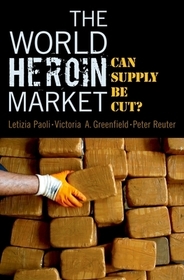
During 2000-1 in Afghanistan, the Taliban achieved a longtime goal of national and international drug policy agencies: a large, sudden, and unanticipated reduction in world opium production. This cutback provides an unprecedented opportunity to study the dynamics of the world opiate market and ask whether further interventions could effectively reduce the flows of drugs. Based on an extended, multi-national study, the authors construct a new model for the trafficking of drugs and revenues and offer the first account of the world market in heroin and other illicit opiates during and after the 2001 ban. The authors' broader findings demonstrate how robust production, trafficking, and consumption combine to make successful long-term interventions on the supply-side rare exceedingly difficult, though specific policies can impact the organization and behavior of markets. For reductions in both production and consumption, where the cultivation of opium is entrenched in the normal life and legitimate economy of millions of people, international agencies and foreign governments must provide adequate and long-term support to foster both alternative development policies and law enforcement programs.
TöbbTartalomjegyzék:
Acknowledgements
Introduction
Part I: The Development, Composition and Behavior of the World Opiate Market
The Past as Prologue: The Development of the World Opiate Market and Rise of the International Control Regime
Did the Taliban's Ban Really Matter?
Keeping Track of Opiates Flows
Part II: Country Studies
Afghanistan and Burma: The Two Dominant Producers
India: Diversion from Licit Cultivation
8. Colombia: The Emergence of a New Producer
9. Tajikistan: The Rise of a Narco-State
Part III: Policy Analysis and Implications
The Theoretical and Practical Consequences of Variations in Effective Illegality
Synthesis of Findings and Lessons for Policy Making
Appendices
Notes

