

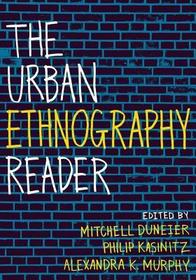
The Urban Ethnography Reader
-
10% KEDVEZMÉNY?
- A kedvezmény csak az 'Értesítés a kedvenc témákról' hírlevelünk címzettjeinek rendeléseire érvényes.
- Kiadói listaár GBP 150.00
-
67 725 Ft (64 500 Ft + 5% áfa)
Az ár azért becsült, mert a rendelés pillanatában nem lehet pontosan tudni, hogy a beérkezéskor milyen lesz a forint árfolyama az adott termék eredeti devizájához képest. Ha a forint romlana, kissé többet, ha javulna, kissé kevesebbet kell majd fizetnie.
- Kedvezmény(ek) 10% (cc. 6 773 Ft off)
- Kedvezményes ár 60 953 Ft (58 050 Ft + 5% áfa)
Iratkozzon fel most és részesüljön kedvezőbb árainkból!
Feliratkozom
67 725 Ft

Beszerezhetőség
Megrendelésre a kiadó utánnyomja a könyvet. Rendelhető, de a szokásosnál kicsit lassabban érkezik meg.
Why don't you give exact delivery time?
A beszerzés időigényét az eddigi tapasztalatokra alapozva adjuk meg. Azért becsült, mert a terméket külföldről hozzuk be, így a kiadó kiszolgálásának pillanatnyi gyorsaságától is függ. A megadottnál gyorsabb és lassabb szállítás is elképzelhető, de mindent megteszünk, hogy Ön a lehető leghamarabb jusson hozzá a termékhez.
A termék adatai:
- Kiadó OUP USA
- Megjelenés dátuma 2014. március 6.
- ISBN 9780199743582
- Kötéstípus Keménykötés
- Terjedelem896 oldal
- Méret 185x257x48 mm
- Súly 1678 g
- Nyelv angol 0
Kategóriák
Rövid leírás:
The Urban Ethnography Reader assembles the very best of American ethnographic writing, from classic works to contemporary research, and aims to present ethnography as social science, social history, and literature, rather than purely as a methodology.
TöbbHosszú leírás:
Urban ethnography is one of the oldest traditions of American social science and has helped define how we think about cities and city dwellers since its inception in the early twentieth century. Renewed interest in urban poverty, the immigrant experience, and gentrification among the public and scholars alike has focused attention on qualitative methods in the social sciences, and the field of urban ethnography in particular receives more attention now than at any point since its inception.
The Urban Ethnography Reader assembles the very best of American ethnographic writing, from classic works to contemporary research, and aims to present ethnography as social science, social history, and literature alongside its traditional place as methodology. In addition to an original introduction that highlights the importance and development of the field, Kasinitz, Duneier, and Murphy also provide introductions to each section of the book. The section introductions will cover the period's historical events and how they influenced the study of the city, the major themes and preoccupations of ethnography, what was happening in the social sciences as a whole, and how the excerpts chosen fit into the larger work in which they were originally published. A valuable companion to a wide range of courses on cities across the social sciences, The Urban Ethnography Reader captures the diversity, the historical development, and the continuing importance of the ethnographic approach to understanding American communities.
Tartalomjegyzék:
AN INTRODUCTION TO URBAN ETHNOGRAPHY
Mitchell Duneier, Philip Kasinitz and Alexandra K. Murphy
PART 1. FINDING COMMUNITY IN THE MODERN CITY
INTRODUCTION
1 CHINATOWN
Jacob Riis
2 SOCIAL CLASSES AND AMUSEMENTS
W.E.B. Du Bois
3 LOWER CLASS: SEX AND FAMILY
St. Clair Drake and Horace Cayton
4 LIFE STYLES
Ulf Hannerz
5 PATTERNS OF BLACK-WHITE INTERACTION
Harvey Molotch
6 NO FRIENDS
John Jackson
7 IN TUCUANI, HE GOES CRAZY
Robert Smith
8 GRIT AND GLAMOUR
Richard Lloyd
9 NEIGHBORHOOD SYMBIOSIS
Andrew Deener
PART 2. SOCIAL WORLDS, PUBLIC SPACES
INTRODUCTION
10 PATTERNS OF COLLECTIVE ACTION
Laud Humphreys
11 THE TERRITORIAL IMPERATIVE
James Spradley and Brenda Mann
12 THE BLACK MALE IN PUBLIC
Elijah Anderson
13 EMPOWERING THE 'GAZE:' PERSONAL STEREOS AND THE HIDDEN LOOK
Michael Bull
14 PISSED OFF IN L.A.
Jack Katz
15 FEEDING THE PIGEONS: SIDEWALK SOCIABILITY IN GREENWICH VILLAGE
Colin Jerolmack
PART 3. RAISING A FAMILY
INTRODUCTION
16 KINSHIP AND COMMUNITY
Michael Young and Peter Willmott
17 SWAPPING
Carol Stack
18 GROWING UP IN GROVELAND
Mary Patillo-McCoy
19 TOWANDA: MAKING SENSE OF EARLY MOTHERHOOD IN WEST BALTIMORE
Patricia Fernandez-Kelly
20 CHILDREN AND POWER DURING SEPARATION
Joanna Dreby
PART 4. SCHOOLING AND THE CULTURE OF CONTROL
INTRODUCTION
21 ELEMENTS OF A CULTURE
Paul Willis
22 LEVELED ASPIRATIONS: SOCIAL REPRODUCTION TAKES ITS TOLL
Jay MacLeod
23 INSTITUTING THE CULTURE OF CONTROL: DISCIPLINARY PRACTICES AND ORDER MAINTENANCE
Kathleen Nolan
24 THE LABELLING HYPE: COMING OF AGE IN THE ERA OF MASS INCARCERATION
Victor Rios
PART 5. GETTING PAID
INTRODUCTION
25 'GETTING BY' IN HOBOHEMIA
Nels Anderson
26 THE LIFE CYCLE OF THE TAXI-DANCER
Paul Cressey
27 THE LAUNDRYMAN's SOCIAL WORLD
Paul Siu
28 MEN AND JOBS
Elliott Liebow
29 NO SHAME IN (THIS) GAME
Katherine Newman
30 SERVING TIME
Peter Bearman
31 MOBILITY FOR THE NONMOBILE: CELL PHONE, TECHNOLOGY, AND CHILDCARE
Tamara Mose Brown
32 GETTING THE SHIT
Randol Contreras
PART 6. PLAYING TOGETHER: THE SERIOUS SIDE OF RECREATION AND LEISURE
INTRODUCTION
33 BOWLING AND SOCIAL RANKING
William Foote Whyte
34 THE PROFESSIONAL DANCE MUSICIAN AND HIS AUDIENCE
Howard Becker
35 WELCOME TO STUDIO 104 & PITIFUL PRELIMINARIES
Lo?c Wacquant
36 THE CLUBHOUSE AND CLASS CULTURES
Sherri Grasmuck
37 RACE-ING MEN: BOYS, RISK, AND THE POLITICS OF RACE
Amy Best
38 CRACKING THE CODE: RACE, CLASS, AND ACCESS TO NIGHTCLUBS IN URBAN AMERICA
Reuben Buford May and Kenneth Sean Chaplin
39 WINNING THE BAR: NIGHTLIFE AS A SPORTING RITUAL
David Grazian
40 BATTLIN' ON THE CORNER: TECHNIQUES FOR SUSTAINING PLAY
Jooyoung Lee
PART 7. 'BUT DOES IT HAVE A POINT?' ETHNOGRAPHY & SOCIAL POLICY
INTRODUCTION
41 THE DESTRUCTION OF BOSTON'S WEST END
Herbert Gans
42 WORKING THE DEUCE
William Kornblum
43 LETTER FROM A CRACKHOUSE
Terry Williams
44 WELFARE
Kathryn Edin and Christopher Jencks
45 MISSING THE CONNECTION: SOCIAL ISOLATION AND EMPLOYMENT ON THE BROOKLYN WATERFRONT
Philip Kasinitz and Jan Rosenberg
46 ON THE RUN: WANTED MEN IN A PHILADELPHIA GHETTO
Alice Goffman
PART 8. ETHNOGRAPHERS & THEIR SUBJECTS
INTRODUCTION
47 SO WHAT DO YOU WANT FROM US HERE?
Barbara Myerhoff
48 VIOLATING APARTHEID IN THE UNITED STATES
Philippe Bourgois
49 AFTERWORD
Hakim Hasan
50 THE HUSTLER AND THE HUSTLED
Sudhir Venkatesh
51 REFLECTIONS ON LONGITUDINAL ETHNOGRAPHY AND THE FAMILIES
Annette Lareau
CREDITS
INDEX

