

-
10% KEDVEZMÉNY?
- A kedvezmény csak az 'Értesítés a kedvenc témákról' hírlevelünk címzettjeinek rendeléseire érvényes.
- Kiadói listaár GBP 24.99
-
11 938 Ft (11 370 Ft + 5% áfa)
Az ár azért becsült, mert a rendelés pillanatában nem lehet pontosan tudni, hogy a beérkezéskor milyen lesz a forint árfolyama az adott termék eredeti devizájához képest. Ha a forint romlana, kissé többet, ha javulna, kissé kevesebbet kell majd fizetnie.
- Kedvezmény(ek) 10% (cc. 1 194 Ft off)
- Kedvezményes ár 10 745 Ft (10 233 Ft + 5% áfa)
Iratkozzon fel most és részesüljön kedvezőbb árainkból!
Feliratkozom
11 938 Ft

Beszerezhetőség
Megrendelésre a kiadó utánnyomja a könyvet. Rendelhető, de a szokásosnál kicsit lassabban érkezik meg.
Why don't you give exact delivery time?
A beszerzés időigényét az eddigi tapasztalatokra alapozva adjuk meg. Azért becsült, mert a terméket külföldről hozzuk be, így a kiadó kiszolgálásának pillanatnyi gyorsaságától is függ. A megadottnál gyorsabb és lassabb szállítás is elképzelhető, de mindent megteszünk, hogy Ön a lehető leghamarabb jusson hozzá a termékhez.
A termék adatai:
- Kiadó OUP Oxford
- Megjelenés dátuma 2015. július 16.
- ISBN 9780198739593
- Kötéstípus Puhakötés
- Terjedelem200 oldal
- Méret 195x142x11 mm
- Súly 220 g
- Nyelv angol 0
Kategóriák
Rövid leírás:
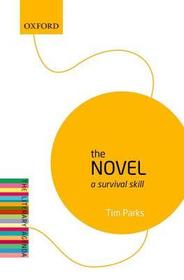
The Novel: A Survival Skill radically reevaluates traditional literary criticism offering an exciting account of what is really at stake in the business of writing and reading.
TöbbHosszú leírás:
The Literary Agenda is a series of short polemical monographs about the importance of literature and of reading in the wider world and about the state of literary education inside schools and universities. The category of 'the literary' has always been contentious. What is clear, however, is how increasingly it is dismissed or is unrecognised as a way of thinking or an arena for thought. It is sceptically challenged from within, for example, by the sometimes rival claims of cultural history, contextualized explanation, or media studies. It is shaken from without by even greater pressures: by economic exigency and the severe social attitudes that can follow from it; by technological change that may leave the traditional forms of serious human communication looking merely antiquated. For just these reasons this is the right time for renewal, to start reinvigorated work into the meaning and value of literary reading.
The Novel: A Survival Skill is the fruit of a lifetime's search for a different, more immediate, but again systematic and serious way of talking about literature. Developed over many years, it offers a completely new account of the relationship between a writer, his or her work, and the reader. As such it radically undermines traditional literary criticism and the various criteria used for evaluating a work of fiction. Drawing on ideas from systemic psychology, Tim Parks suggest that both the content and style of a novelist's work, the kind of stories told and the way in which they are told, form part of a more general strategy or simply habit of communication that the novelist has learned within his or her family of origin. The reader reacts to these in very much the same way he or she would react to the same communicative strategy in a real life encounter, different readers reacting differently depending on their own backgrounds and habits of communication. Looking at the different value structures that can dominate in any family--good/evil, independence/dependence, success/failure, belonging/exclusion--this book looks at how a number of major writers position themselves within these value structures, how this positioning is manifest in their writing, and how readers have responded to this depending on their own positioning in the same semantics. Thomas Hardy, for example, a man eager to believe himself courageous but terrified of the consequences of any socially 'unacceptable' behaviour, constructs stories which are courageous in their willingness to debate difficult issues, but which constantly suggest that any attempt to behave courageously is condemned to disaster. Hardy as it were imprisons himself in a world where it is folly to take risks. He is thus exceedingly conservative in his life, while at the same time able to think of himself as courageous in his writing. The Novel: A Survival Skill looks at the way different readers in different periods respond to this depending on their own position with regard to fear, courage, social convention and so on.
an unmissable book ... The Novel: A Survival Skill, Parks' journal through the coercive emotional strategies of Joyce, Hardy, Dickens and others, is biographical and psychoanalytic criticism of the best kind.
Tartalomjegyzék:
Foreword
Four imagined meetings
Schismogenesis and Semantic Polarities
Joyce: a winner looking to lose
Good boy, bad boy
The reader's address
Terrifying Bliss
Worthy Writer, Worthy Readers
Conclusion: We must defend ourselves

