

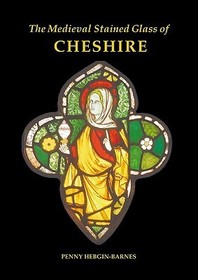
The Medieval Stained Glass of Cheshire
Sorozatcím: Corpus Vitrearum; S9;
- Kiadói listaár GBP 130.00
-
58 695 Ft (55 900 Ft + 5% áfa)
Az ár azért becsült, mert a rendelés pillanatában nem lehet pontosan tudni, hogy a beérkezéskor milyen lesz a forint árfolyama az adott termék eredeti devizájához képest. Ha a forint romlana, kissé többet, ha javulna, kissé kevesebbet kell majd fizetnie.
58 695 Ft

Beszerezhetőség
Becsült beszerzési idő: A Prosperónál jelenleg nincsen raktáron, de a kiadónál igen. Beszerzés kb. 3-5 hét..
A Prosperónál jelenleg nincsen raktáron.
Why don't you give exact delivery time?
A beszerzés időigényét az eddigi tapasztalatokra alapozva adjuk meg. Azért becsült, mert a terméket külföldről hozzuk be, így a kiadó kiszolgálásának pillanatnyi gyorsaságától is függ. A megadottnál gyorsabb és lassabb szállítás is elképzelhető, de mindent megteszünk, hogy Ön a lehető leghamarabb jusson hozzá a termékhez.
A termék adatai:
- Kiadó The British Academy
- Megjelenés dátuma 2010. szeptember 23.
- ISBN 9780197264690
- Kötéstípus Keménykötés
- Terjedelem642 oldal
- Méret 304x221x18 mm
- Súly 2732 g
- Nyelv angol
- Illusztrációk 24 colour plates 0
Kategóriák
Rövid leírás:
This is a catalogue of the pre-Gothic Revival stained glass found at 50 sites in Cheshire. Highlights include windows demonstrating the Elizabethan religious settlement, a commemoration of the English Civil War, and 17th-century quarries depicting subjects such as English monarchs, classical sibyls, military drill and menial occupations.
TöbbHosszú leírás:
This is a catalogue of the pre-Gothic Revival stained glass found at 50 sites in Cheshire. Many of these are churches, but there are also domestic residences and other buildings.
Highlights include an important 14th-century regional workshop, probably based in Chester, whose output survives at 9 sites in the county; 16th-century armorials and donors; a fascinating window of 1581 at High Legh which demonstrates the Elizabethan religious settlement; a unique window commemorating the English Civil War; and a plethora of 17th-century quarries depicting a wide range of subjects such as English monarchs, classical sibyls, military drill and menial occupations. The county's outstanding collections of foreign panels are also catalogued.
The stained glass of the neighbouring county of Lancashire appears in CVMA, Great Britain, Summary Catalogue 8, The Medieval Stained Glass of Lancashire. The introduction discusses many aspects of the stained glass of both counties: documentary sources, donors and heraldry, condition, iconography, as well as examining the style and techniques used by the glass-painters.
This catalogue will be essential for scholars and students of the history of medieval and early modern art, and for all those interested in the social and religious history of Tudor and Stuart Cheshire.
Több
