

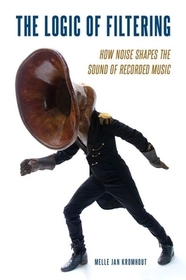
The Logic of Filtering
How Noise Shapes the Sound of Recorded Music
-
20% KEDVEZMÉNY?
- A kedvezmény csak az 'Értesítés a kedvenc témákról' hírlevelünk címzettjeinek rendeléseire érvényes.
- Kiadói listaár GBP 88.00
-
39 732 Ft (37 840 Ft + 5% áfa)
Az ár azért becsült, mert a rendelés pillanatában nem lehet pontosan tudni, hogy a beérkezéskor milyen lesz a forint árfolyama az adott termék eredeti devizájához képest. Ha a forint romlana, kissé többet, ha javulna, kissé kevesebbet kell majd fizetnie.
- Kedvezmény(ek) 20% (cc. 7 946 Ft off)
- Kedvezményes ár 31 786 Ft (30 272 Ft + 5% áfa)
- A kedvezmény érvényes eddig: 2026. június 30.
Iratkozzon fel most és részesüljön kedvezőbb árainkból!
Feliratkozom
39 732 Ft

Beszerezhetőség
Becsült beszerzési idő: A Prosperónál jelenleg nincsen raktáron, de a kiadónál igen. Beszerzés kb. 3-5 hét..
A Prosperónál jelenleg nincsen raktáron.
Why don't you give exact delivery time?
A beszerzés időigényét az eddigi tapasztalatokra alapozva adjuk meg. Azért becsült, mert a terméket külföldről hozzuk be, így a kiadó kiszolgálásának pillanatnyi gyorsaságától is függ. A megadottnál gyorsabb és lassabb szállítás is elképzelhető, de mindent megteszünk, hogy Ön a lehető leghamarabb jusson hozzá a termékhez.
A termék adatai:
- Kiadó OUP USA
- Megjelenés dátuma 2021. június 15.
- ISBN 9780190070137
- Kötéstípus Keménykötés
- Terjedelem182 oldal
- Méret 160x243x15 mm
- Súly 395 g
- Nyelv angol 112
Kategóriák
Rövid leírás:
The Logic of Filtering offers a media archaeological perspective on sound and music that develops a new analysis of the noise that technologies add to recorded sound. It shows that this noise is not a disturbance but a central characteristic of recorded music that shapes how listeners relate to it.
TöbbHosszú leírás:
The Logic of Filtering traces the profound impact of technical media on the sound of music, asking: how do media technologies shape sound? How does this affect music? And how did it change what we listen for in music? Since the invention of sound recording in the second half of the nineteenth century, media that transmit, record, store, and reproduce physical sound inspired dreams of perfect reproduction, but were also confronted with the inevitable introduction of noise. Based on a wide range of historical, technical and theoretical sources, author Melle Jan Kromhout explores this one hundred and forty-year history of sound media and shows why noise should not be understood as unwanted by-effect, but instead plays a foundational role in shaping the sonic contours of recorded music. The Logic of Filtering develops an extensive media archaeological analysis of the 'noise of sound media,' encompassing all the disturbances, distortions, and interferences that these media add to the sounds they reproduce. It thereby stands to enrich our understanding of the way in which sound media changed and continue to change the sonorous qualities of music, and offers new perspectives on the interaction between music, media and listeners.
Melle Kromhout is one of a new wave of scholars who are acutely attentive to the forces at work within the sound reproduction chain. In The Logic of Filtering, he first invites us to listen to so-called 'silence' anew, then unveils it as teeming with sonic life, historiography, and meaning.
Tartalomjegyzék:
Acknowledgements
Introduction: The Noise of Sound Media
Chapter 1: The Myth of Perfect Fidelity
Chapter 2: The Logic of Noise Reduction
Chapter 3: Ideal and Technical Filters
Chapter 4: Time and Transience
Chapter 5: The Logic of Filtering
Conclusion: The 'Other Music'
Bibliography

