

-
10% KEDVEZMÉNY?
- A kedvezmény csak az 'Értesítés a kedvenc témákról' hírlevelünk címzettjeinek rendeléseire érvényes.
- Kiadói listaár GBP 120.00
-
54 180 Ft (51 600 Ft + 5% áfa)
Az ár azért becsült, mert a rendelés pillanatában nem lehet pontosan tudni, hogy a beérkezéskor milyen lesz a forint árfolyama az adott termék eredeti devizájához képest. Ha a forint romlana, kissé többet, ha javulna, kissé kevesebbet kell majd fizetnie.
- Kedvezmény(ek) 10% (cc. 5 418 Ft off)
- Kedvezményes ár 48 762 Ft (46 440 Ft + 5% áfa)
Iratkozzon fel most és részesüljön kedvezőbb árainkból!
Feliratkozom
54 180 Ft

Beszerezhetőség
Megrendelésre a kiadó utánnyomja a könyvet. Rendelhető, de a szokásosnál kicsit lassabban érkezik meg.
Why don't you give exact delivery time?
A beszerzés időigényét az eddigi tapasztalatokra alapozva adjuk meg. Azért becsült, mert a terméket külföldről hozzuk be, így a kiadó kiszolgálásának pillanatnyi gyorsaságától is függ. A megadottnál gyorsabb és lassabb szállítás is elképzelhető, de mindent megteszünk, hogy Ön a lehető leghamarabb jusson hozzá a termékhez.
A termék adatai:
- Kiadó OUP USA
- Megjelenés dátuma 2012. szeptember 27.
- ISBN 9780199793600
- Kötéstípus Keménykötés
- Terjedelem368 oldal
- Méret 160x236x22 mm
- Súly 612 g
- Nyelv angol
- Illusztrációk 16 ill. 0
Kategóriák
Rövid leírás:
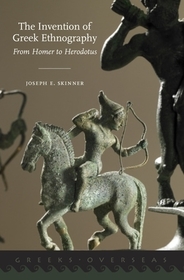
The Invention of Greek Ethnography offers a fresh approach to the origins and development of ethnographic thought, Greek identity, and narrative history.
TöbbHosszú leírás:
Greek ethnography is commonly believed to have developed in conjunction with the wider sense of Greek identity that emerged during the Greeks' "encounter with the barbarian"--Achaemenid Persia--during the late sixth to early fifth centuries BC. The dramatic nature of this meeting, it was thought, caused previous imaginings to crystallise into the diametric opposition between "Hellene" and "barbarian" that would ultimately give rise to ethnographic prose. The Invention of Greek Ethnography challenges the legitimacy of this conventional narrative. Drawing on recent advances in ethnographic and cultural studies and in the material culture-based analyses of the Ancient Mediterranean, Joseph Skinner argues that ethnographic discourse was already ubiquitous throughout the archaic Greek world, not only in the form of texts but also in a wide range of iconographic and archaeological materials. As such, it can be differentiated both on the margins of the Greek world, like in Olbia and Calabria and in its imagined centers, such as Delphi and Olympia. The reconstruction of this "ethnography before ethnography" demonstrates that discourses of identity and difference played a vital role in defining what it meant to be Greek in the first place long before the fifth century BC. The development of ethnographic writing and historiography are shown to be rooted in this wider process of "positioning" that was continually unfurling across time, as groups and individuals scattered the length and breadth of the Mediterranean world sought to locate themselves in relation to the narratives of the past. This shift in perspective provided by The Invention of Greek Ethnography has significant implications for current understanding of the means by which a sense of Greek identity came into being, the manner in which early discourses of identity and difference should be conceptualized, and the way in which so-called "Great Historiography," or narrative history, should ultimately be interpreted.
The Invention of Greek Ethnography is a welcome addition to studies of identity in the ancient Mediterranean. Ambitious in scope and intelligent in execution, the book positions the question of ethnographic prose in the broad context of Mediterranean engagements with cultural identity, articulated in art historical and archaeological as well as literary sources
Tartalomjegyzék:
CONTENTS
Acknowledgements
1. Ethnography before Ethnography
2. Populating the Imaginaire
3. Mapping Ethnography
4. Mapping Identities
5. Ethnography and Identity, From Homer to Herodotus
Abbreviations
Bibliography
Index

