

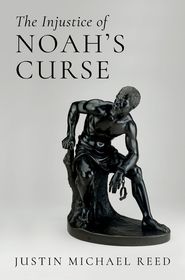
The Injustice of Noah's Curse
-
10% KEDVEZMÉNY?
- A kedvezmény csak az 'Értesítés a kedvenc témákról' hírlevelünk címzettjeinek rendeléseire érvényes.
- Kiadói listaár GBP 64.00
-
28 896 Ft (27 520 Ft + 5% áfa)
Az ár azért becsült, mert a rendelés pillanatában nem lehet pontosan tudni, hogy a beérkezéskor milyen lesz a forint árfolyama az adott termék eredeti devizájához képest. Ha a forint romlana, kissé többet, ha javulna, kissé kevesebbet kell majd fizetnie.
- Kedvezmény(ek) 10% (cc. 2 890 Ft off)
- Kedvezményes ár 26 006 Ft (24 768 Ft + 5% áfa)
Iratkozzon fel most és részesüljön kedvezőbb árainkból!
Feliratkozom
28 896 Ft

Beszerezhetőség
Becsült beszerzési idő: A Prosperónál jelenleg nincsen raktáron, de a kiadónál igen. Beszerzés kb. 3-5 hét..
A Prosperónál jelenleg nincsen raktáron.
Why don't you give exact delivery time?
A beszerzés időigényét az eddigi tapasztalatokra alapozva adjuk meg. Azért becsült, mert a terméket külföldről hozzuk be, így a kiadó kiszolgálásának pillanatnyi gyorsaságától is függ. A megadottnál gyorsabb és lassabb szállítás is elképzelhető, de mindent megteszünk, hogy Ön a lehető leghamarabb jusson hozzá a termékhez.
A termék adatai:
- Kiadó OUP USA
- Megjelenés dátuma 2026. január 12.
- ISBN 9780197663899
- Kötéstípus Keménykötés
- Terjedelem356 oldal
- Méret 239x167x28 mm
- Súly 680 g
- Nyelv angol
- Illusztrációk 9 b&w halftones 670
Kategóriák
Rövid leírás:
The Injustice of Noah's Curse analyzes hundreds of interpretations of Noah's curse, towards an argument that they all fall short of making sense of this notoriously difficult passage due to a common presumption. Reed critiques the way this presumption inhibits interpreters from accepting what is obvious in the passage: Noah's curse is unjust. Using insights from critical race theory and speech act theory, the book offers a new interpretation of Noah's unjust curse as an ironic climax to Noah's life.
TöbbHosszú leírás:
Following the flood and the rainbow, Genesis 9 has one final story about Noah. The patriarch gets drunk, strips naked, and passes out. One of his sons, Ham, sees Noah naked. When Noah wakes up, he utters a curse of slavery against not Ham, but one of Ham's sons, Canaan. Why is Noah's reaction so severe? And why does he curse Canaan, who did nothing?
For more than two thousand years, interpreters have tried to make sense of what seems like an injustice in Noah's reaction. The goal of good interpretation, it would seem, is to show how—if we just understand the right details or context—Noah's curse has hit the target with the proper punishment. The most notorious examples of interpretations following this agenda are appeals to Noah's curse as biblical support for denigrating or subjugating others, especially Black people. Modern scholars with no interest in weaponizing the text take the same interpretive approach but with a slight qualification, their rationale for justifying the curse is that they are trying to read in sync with the Israelite authors who they presume intended to write a just curse against the Canaanites.
Although this has been the normative trend in interpretation for centuries, Justin Michael Reed shines light on a different path. Instead of trying to explain away the injustice of Noah's curse, Reed affirms that Noah's curse is unjust, and he uses critical race theory, speech act theory, intertextuality, and irony to make sense of the injustice of Noah's curse in its literary context.
Tartalomjegyzék:
Introduction
Bad Editing
Bad People
Bad Dad
Bad Deed
Cursed Be Whom?
Why Is Canaan Cursed?
Where Is God?
Reading Cues from the Primeval History
The Injustice of Noah's Curse in Its Literary Context
Conclusion
Qualitative Content Analysis Coding Interpretations of Genesis 9:18-29

