

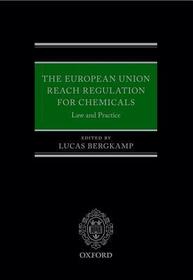
The European Union REACH Regulation for Chemicals
Law and Practice
-
10% KEDVEZMÉNY?
- A kedvezmény csak az 'Értesítés a kedvenc témákról' hírlevelünk címzettjeinek rendeléseire érvényes.
- Kiadói listaár GBP 272.50
-
130 186 Ft (123 987 Ft + 5% áfa)
Az ár azért becsült, mert a rendelés pillanatában nem lehet pontosan tudni, hogy a beérkezéskor milyen lesz a forint árfolyama az adott termék eredeti devizájához képest. Ha a forint romlana, kissé többet, ha javulna, kissé kevesebbet kell majd fizetnie.
- Kedvezmény(ek) 10% (cc. 13 019 Ft off)
- Kedvezményes ár 117 168 Ft (111 588 Ft + 5% áfa)
Iratkozzon fel most és részesüljön kedvezőbb árainkból!
Feliratkozom
130 186 Ft

Beszerezhetőség
Megrendelésre a kiadó utánnyomja a könyvet. Rendelhető, de a szokásosnál kicsit lassabban érkezik meg.
Why don't you give exact delivery time?
A beszerzés időigényét az eddigi tapasztalatokra alapozva adjuk meg. Azért becsült, mert a terméket külföldről hozzuk be, így a kiadó kiszolgálásának pillanatnyi gyorsaságától is függ. A megadottnál gyorsabb és lassabb szállítás is elképzelhető, de mindent megteszünk, hogy Ön a lehető leghamarabb jusson hozzá a termékhez.
A termék adatai:
- Kiadó OUP Oxford
- Megjelenés dátuma 2013. október 24.
- ISBN 9780199659791
- Kötéstípus Keménykötés
- Terjedelem496 oldal
- Méret 247x177x34 mm
- Súly 1000 g
- Nyelv angol 0
Kategóriák
Rövid leírás:
Wide-reaching and subject to few exceptions, the EU's new chemical regulatory programmes known as REACH impose obligations on all chemical companies, including manufacturers, importers, distributors, and product suppliers. This book addresses the key regulatory issues, management, and practical challenges associated with the REACH regulations.
TöbbHosszú leírás:
This book discusses the law and practice of the European Union's new chemical regulatory programmes known under the acronym ''REACH'. REACH is intended to ensure the safe management of risks associated with chemical substances throughout the supply chain. Its scope is very broad; subject to limited exceptions, REACH applies to all bulk chemicals used in industrial processes and to chemicals present in products such as cleaning products, paints, clothing, furniture, and electrical appliances. The newly established European Chemicals Agency (ECHA), the Commission, and member state authorities are in charge of administering the various parts of the REACH Regulation, creating a complex patchwork of government powers, procedures, and oversight.
The volume is written by experienced REACH practitioners. It addresses both the key legal regulatory issues associated with REACH and the key management and practical challenges. In addition to analysing the scope, the processes, and the obligations of the industry under REACH, the book covers the strategy and management of REACH compliance from the perspective of the regulated entities. The focus is on the strategic and practical decisions facing companies subject to REACH's various regimes. Significant attention is paid to REACH consortia, which are a key instrument in compliance management, and to the competition law issues arising in connection with REACH consortia. It also covers legal remedies, enforcement, intellectual property rights, and civil liability for damages arising from chemical substances as well as how companies can shape their REACH compliance programme to reduce their liability exposure.
Tartalomjegyzék:
Foreword
Introduction
PART I: The Law of REACH
Background and Structure of REACH
The Organizational and Administrative Structures
Key Concepts and Scope
The REACH Programmes and Procedures
PART II: The Practice of REACH
REACH and Strategic Decision-Making
REACH Consortia
Information and Data Sharing Requirements
REACH and Competition Law
Compliance and Supply Chain Compliance and supply chain management
PART III: Legal Remedies and Sanctions
Dispute Resolution and Legal Remedies
Enforcement and Liability
PART IV: REACH and the World
REACH and International Trade Law
REACH's Impact in the Rest of the World
PART V: Evaluating REACH: An Interim Assessment
Is REACH Achieving its Objectives?
How Could REACH be Improved?
Does REACH Present a Business Opportunity?
Conclusions

