

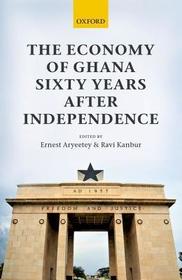
The Economy of Ghana Sixty Years after Independence
-
10% KEDVEZMÉNY?
- A kedvezmény csak az 'Értesítés a kedvenc témákról' hírlevelünk címzettjeinek rendeléseire érvényes.
- Kiadói listaár GBP 105.00
-
47 407 Ft (45 150 Ft + 5% áfa)
Az ár azért becsült, mert a rendelés pillanatában nem lehet pontosan tudni, hogy a beérkezéskor milyen lesz a forint árfolyama az adott termék eredeti devizájához képest. Ha a forint romlana, kissé többet, ha javulna, kissé kevesebbet kell majd fizetnie.
- Kedvezmény(ek) 10% (cc. 4 741 Ft off)
- Kedvezményes ár 42 667 Ft (40 635 Ft + 5% áfa)
Iratkozzon fel most és részesüljön kedvezőbb árainkból!
Feliratkozom
47 407 Ft

Beszerezhetőség
Megrendelésre a kiadó utánnyomja a könyvet. Rendelhető, de a szokásosnál kicsit lassabban érkezik meg.
Why don't you give exact delivery time?
A beszerzés időigényét az eddigi tapasztalatokra alapozva adjuk meg. Azért becsült, mert a terméket külföldről hozzuk be, így a kiadó kiszolgálásának pillanatnyi gyorsaságától is függ. A megadottnál gyorsabb és lassabb szállítás is elképzelhető, de mindent megteszünk, hogy Ön a lehető leghamarabb jusson hozzá a termékhez.
A termék adatai:
- Kiadó OUP Oxford
- Megjelenés dátuma 2017. február 23.
- ISBN 9780198753438
- Kötéstípus Keménykötés
- Terjedelem436 oldal
- Méret 241x167x30 mm
- Súly 770 g
- Nyelv angol
- Illusztrációk Figures and Tables 0
Kategóriák
Rövid leírás:
This volume assesses the challenges facing Ghana's economy as it enters its seventh decade and the nation heads towards three quarters of a century of independence.
TöbbHosszú leírás:
As Ghana approaches its 60th birthday, optimism and worries for the future continue to be present in equal measure. Economic growth in the last decade has been high by historical standards. Indeed, recent rebasing of GDP figures has put Ghana over the per capita income threshold into Middle Income Country status. However, structural transformation has lagged behind. Fiscal discipline has also eroded significantly and there is heavy borrowing, especially on the commercial market, while elements of the natural resource curse from oil have already occurred. The question most observers ask is whether the gains from two decades of reforms are being reversed. Given this background, this volume brings together leading established and young economists, from within and outside Ghana, to analyze and assess the challenges facing Ghana's economy as it enters its seventh decade and the nation heads towards three quarters of a century of independence.
The chapters cover the major macroeconomic and sectoral issues, including fiscal and monetary policy, trade and industrialization, agriculture and infrastructure. The volume also covers a full range of social issues including poverty and inequality, education, health, gender, and social protection. The book also examines the implications of the oil boom for Ghanaian development, and the role of institutions.
The book works diligently through its subject matter via an assemblage of chapters pivoting around carefully selected themes, which in the main deal with sectoral analysis and economic policy theory and practice. The sectors range quite ambitiously from the financial sphere through the ever vexatious and perennial question of land reform and agriculture, to the arenas of health care, education, gender, physical infrastructure and urbanization, among others.
Tartalomjegyzék:
Part I: Overview
Ghana at Sixty: Learning from a Developing African Nation's Past
W. Arthur Lewis and the Roots of Ghanaian Economic Policy
Property and Freedom
Part II: Macroeconomy and Finance
Economic Growth in Ghana: Trends and Structure (1960-2014)
Sixty Years of Fiscal Policy in Ghana: Outcomes and Lessons
Monetary Policy and Inflation Management in Ghana: Inflation Targeting and Outcomes
Trade and Exchange Rate Policies since Independence and Prospects for the Future
Banking and Capital Markets: The Evolution of Ghana's Financial Sector and Future Prospects
Oil and Ghana's Economy
Part III: Sectoral Perspectives
Flickering Decades of Agriculture and Agricultural Policy
Industrial Policy in Ghana: From a Dominant State to Resource Abundance
Formal and Informal Enterprises as Drivers and Absorbers of Employment
Urbanization in Ghana: Retrospect and Prospects
State of Ghana's Infrastructure and its Implications for Economic Development
Managing the Environment for Development
Mining in Ghana: Critical Reflections on a Turbulent Past and Uncertain Future
Part IV: Human Development
Inequality and Poverty in Ghana
Employment and Labour Market
Closing the Gender Gaps in Ghana
The Prospects and Challenges of a Youthful Population in Achieving Economic and Social Transformation in Ghana
Education in Ghana: Access, Quality, and Prospects for Reforms
Health and Healthcare in Ghana, 1957-2017
Social Health Insurance in Ghana: The Politics, Economics and the Future

