

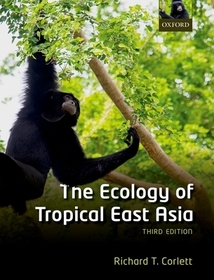
The Ecology of Tropical East Asia
-
10% KEDVEZMÉNY?
- A kedvezmény csak az 'Értesítés a kedvenc témákról' hírlevelünk címzettjeinek rendeléseire érvényes.
- Kiadói listaár GBP 59.00
-
26 638 Ft (25 370 Ft + 5% áfa)
Az ár azért becsült, mert a rendelés pillanatában nem lehet pontosan tudni, hogy a beérkezéskor milyen lesz a forint árfolyama az adott termék eredeti devizájához képest. Ha a forint romlana, kissé többet, ha javulna, kissé kevesebbet kell majd fizetnie.
- Kedvezmény(ek) 10% (cc. 2 664 Ft off)
- Kedvezményes ár 23 975 Ft (22 833 Ft + 5% áfa)
Iratkozzon fel most és részesüljön kedvezőbb árainkból!
Feliratkozom
26 638 Ft

Beszerezhetőség
Becsült beszerzési idő: A Prosperónál jelenleg nincsen raktáron, de a kiadónál igen. Beszerzés kb. 3-5 hét..
A Prosperónál jelenleg nincsen raktáron.
Why don't you give exact delivery time?
A beszerzés időigényét az eddigi tapasztalatokra alapozva adjuk meg. Azért becsült, mert a terméket külföldről hozzuk be, így a kiadó kiszolgálásának pillanatnyi gyorsaságától is függ. A megadottnál gyorsabb és lassabb szállítás is elképzelhető, de mindent megteszünk, hogy Ön a lehető leghamarabb jusson hozzá a termékhez.
A termék adatai:
- Kiadás sorszáma 3
- Kiadó OUP Oxford
- Megjelenés dátuma 2019. július 4.
- ISBN 9780198817024
- Kötéstípus Puhakötés
- Terjedelem334 oldal
- Méret 246x188x16 mm
- Súly 708 g
- Nyelv angol 0
Kategóriák
Rövid leírás:
This edition has been fully updated throughout, reflecting the explosion of new research in the region in the last few years and the increasing use of new tools, particularly genomics and remote sensing.
TöbbHosszú leírás:
Tropical East Asia is home to over one billion people and faces massive human impacts from its rising population and rapid economic growth. It has already lost more than half of its forest cover to agriculture and urbanization, and has the highest rates of deforestation and logging in the tropics. Habitat loss, coupled with hunting and the relentless trade in wildlife products, threatens all its large and many of its smaller vertebrates. Despite these problems, the region still supports an estimated 15-25% of global terrestrial biodiversity and a growing environmental awareness means that it is no longer assumed that economic development justifies environmental damage, and no longer accepted that this trade-off is inevitable. Effective conservation action now depends on integrating a clear understanding of the ecological patterns and processes in the region with the varied needs of its human population.
This third edition continues to provide an overview of the terrestrial ecology of Tropical East Asia: from southern China to Indonesia, and from Bhutan and Bangladesh to the Ryukyu Islands of Japan. It retains the balance between compactness and comprehensiveness of the previous editions, and the even-handed geographical treatment of the whole region, but it updates both the contents and the perspective. Approximately one third of the text is new or greatly modified, reflecting the explosion of new research in the region in the last few years and the increasing use of new tools, particularly from genomics and remote sensing. The change in perspective largely reflects the growing realization that we are in a new epoch, the Anthropocene, in which human activities have at least as large an influence as natural processes, and that stopping or reversing ecological change is no longer an option. This does not mean that biodiversity conservation is no longer possible or worthwhile, but that the biodiverse future we strive for will inevitably be very different from the past.
The Ecology of Tropical East Asia is an advanced textbook suitable for senior undergraduate and graduate level students taking courses on the terrestrial ecology of the East Asian tropics, as well as an authoritative regional reference for professional ecologists, conservationists, and interested amateurs worldwide.
Tartalomjegyzék:
Environmental history
Physical geography
Biogeography
The ecology of plants: from seed to seed
The ecology of animals: foods and feeding
Energy and nutrients
Threats to terrestrial biodiversity
Conservation in the Anthropocene

