

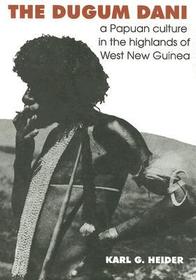
The Dugum Dani
A Papuan Culture in the Highlands of West New Guinea
-
20% KEDVEZMÉNY?
- A kedvezmény csak az 'Értesítés a kedvenc témákról' hírlevelünk címzettjeinek rendeléseire érvényes.
- Kiadói listaár GBP 51.99
-
23 473 Ft (22 355 Ft + 5% áfa)
Az ár azért becsült, mert a rendelés pillanatában nem lehet pontosan tudni, hogy a beérkezéskor milyen lesz a forint árfolyama az adott termék eredeti devizájához képest. Ha a forint romlana, kissé többet, ha javulna, kissé kevesebbet kell majd fizetnie.
- Kedvezmény(ek) 20% (cc. 4 695 Ft off)
- Kedvezményes ár 18 778 Ft (17 884 Ft + 5% áfa)
- A kedvezmény érvényes eddig: 2026. június 30.
Iratkozzon fel most és részesüljön kedvezőbb árainkból!
Feliratkozom
21 125 Ft

Beszerezhetőség
Becsült beszerzési idő: A Prosperónál jelenleg nincsen raktáron, de a kiadónál igen. Beszerzés kb. 3-5 hét..
A Prosperónál jelenleg nincsen raktáron.
Why don't you give exact delivery time?
A beszerzés időigényét az eddigi tapasztalatokra alapozva adjuk meg. Azért becsült, mert a terméket külföldről hozzuk be, így a kiadó kiszolgálásának pillanatnyi gyorsaságától is függ. A megadottnál gyorsabb és lassabb szállítás is elképzelhető, de mindent megteszünk, hogy Ön a lehető leghamarabb jusson hozzá a termékhez.
A termék adatai:
- Kiadás sorszáma 1
- Kiadó Routledge
- Megjelenés dátuma 2006. augusztus 15.
- Kötetek száma Paperback
- ISBN 9780202308630
- Kötéstípus Puhakötés
- Terjedelem350 oldal
- Méret 254x178 mm
- Súly 453 g
- Nyelv angol 0
Kategóriák
Rövid leírás:
For many years anthropologists have speculated about primitive warfare, its place in a particular culture, its form, and its consequences on other tribes
TöbbHosszú leírás:
For many years anthropologists have speculated about primitive warfare, its place in a particular culture, its form, and its consequences on other tribes. This full-scale ethnography of the Dugum Dani centers on the issue of hostility between groups of human beings and the place and function of violence. Warfare, like rituals and kinship alliances, is part of a total culture, and for this reason Professor Heider has approached the Dani from a holistic point of view. Other aspects of Dani life and organization are shown in interrelationship with the institution of warfare, such as the social, ecological, and technological elements in the Dani way of life. Professor Heider examines particularly the role of warfare itself in terms of the particular needs, and lack of them. The first section of this book documents the Dani and their warfare and provides one of the most detailed accounts of tribal life available. The second section focuses on the material aspects of Dani culture, to explore the interrelationships of the material objects with the other aspects of Dani culture; this analysis is especially interesting since the Dani moved from a stone-age culture to steel tools during the period of study itself. Professor Heider also notes the distinctive aspects of Dani culture; the paucity of color, number, and other attribute terms, the near absence of art; their five-year post-partum sexual abstinence, and other traits that seem to suggest that the Dani have little interest in intellectual elaboration or sex, and that despite their warfare, they are not a particularly aggressive people. Including previously unpublished photographs and descriptions of tribal life and warfare, this book provides anthropologists with a full and vivid account of Dani culture and with new insights into the general problems of human aggression.
TöbbTartalomjegyzék:
Introduction PART I 1. Subsistence 2. Social Organization 3. Conflict 4. Man and the Supernatural 5. Language and Categories 6. Art and Play PART II 7. The Natural Environment 8. The Body 9. Artifacts of Culture, Conclusions
Több
