

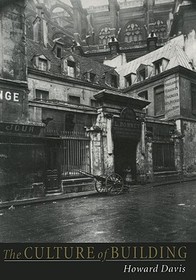
The Culture of Building
-
10% KEDVEZMÉNY?
- A kedvezmény csak az 'Értesítés a kedvenc témákról' hírlevelünk címzettjeinek rendeléseire érvényes.
- Kiadói listaár GBP 44.49
-
21 255 Ft (20 242 Ft + 5% áfa)
Az ár azért becsült, mert a rendelés pillanatában nem lehet pontosan tudni, hogy a beérkezéskor milyen lesz a forint árfolyama az adott termék eredeti devizájához képest. Ha a forint romlana, kissé többet, ha javulna, kissé kevesebbet kell majd fizetnie.
- Kedvezmény(ek) 10% (cc. 2 126 Ft off)
- Kedvezményes ár 19 129 Ft (18 218 Ft + 5% áfa)
Iratkozzon fel most és részesüljön kedvezőbb árainkból!
Feliratkozom
21 255 Ft

Beszerezhetőség
A kiadónál véglegesen elfogyott, nem rendelhető. Érdemes újra keresni a címmel, hátha van újabb kiadás.
Why don't you give exact delivery time?
A beszerzés időigényét az eddigi tapasztalatokra alapozva adjuk meg. Azért becsült, mert a terméket külföldről hozzuk be, így a kiadó kiszolgálásának pillanatnyi gyorsaságától is függ. A megadottnál gyorsabb és lassabb szállítás is elképzelhető, de mindent megteszünk, hogy Ön a lehető leghamarabb jusson hozzá a termékhez.
A termék adatai:
- Kiadó OUP USA
- Megjelenés dátuma 2006. június 22.
- ISBN 9780195305937
- Kötéstípus Puhakötés
- Terjedelem400 oldal
- Méret 254x179x26 mm
- Súly 1156 g
- Nyelv angol
- Illusztrációk 45 halftones, 56 line drawings, 173 color photographs 0
Kategóriák
Rövid leírás:
Written by a leader in the field of vernacular architecture, The Culture of Building provides a historical and cross-cultural analysis of building cultures, looking at the systems of people, relationships, rules, procedures, and patterns in which activities of design and building are anchored, and reflects on how understanding these can improve our contemporary environment.
TöbbHosszú leírás:
The Culture of Building describes how the built world, including the vast number of buildings that are the settings for people's everyday lives, is the product of building cultures?complex systems of people, relationships, building types, techniques, and habits in which design and building are anchored. These cultures include builders, bankers, architects, developers, clients, contractors, craftspeople, building inspectors, planners, and many others. The
product of these cultures, which operate building after building, is the built world of cities and settlements. In this book, Howard Davis uses historical, contemporary, and cross-cultural examples to describe the nature and influence of these cultures. He shows how building cultures reflect the general
cultures in which they exist, how they have changed over history, how they affect the form of buildings and cities, and how present building cultures, which are responsible for the contemporary everyday environments, may be improved. Following the development of the idea of building cultures using several historical examples, the book lays out a framework that puts such topics as craft and professionalism, the vernacular and nonvernacular, and design and construction in common frameworks.
Although the book ranges widely over different cultures and historical periods, it emphasizes the transformations that took place in architecture and building practice from the late eighteenth century to the present. Finally, the book uses a series of contemporary examples that demonstrate the building
culture as a living concept. These examples, which include built work as well as innovative processes that go beyond the work of architects alone, are described as the seeds that can help the emergence of a better build world. This beautiful book features over 260 color and black-and-white illustrations, most from the author's extensive collection of slides, and includes photographs, prints, and drawings from historical archives and contemporary architectural offices.
"It's not often that a book appears with the potential to fundamentally change the way we think about the built world. The Culture of Building by Howard Davis is such a book....[It] is filled with both beautiful and gritty photos of people building and the places they produce....Davis' ideas are clear, intelligent, and substantial, and he writes about them in a refreshing, penetrating, and enlightening way.... Davis's goal is nothing less than a "unified
theory" of architecture and construction, a book that finally explains it all design, codes, contracts, style, technology, finance, place-making, education and how they interrelate."?Architecture Week

