

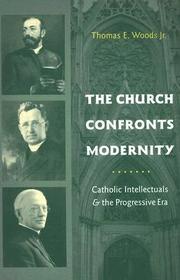
The Church Confronts Modernity
Catholic Intellectuals and the Progressive Era
Sorozatcím: Religion and American Culture;
-
10% KEDVEZMÉNY?
- A kedvezmény csak az 'Értesítés a kedvenc témákról' hírlevelünk címzettjeinek rendeléseire érvényes.
- Kiadói listaár GBP 28.00
-
13 377 Ft (12 740 Ft + 5% áfa)
Az ár azért becsült, mert a rendelés pillanatában nem lehet pontosan tudni, hogy a beérkezéskor milyen lesz a forint árfolyama az adott termék eredeti devizájához képest. Ha a forint romlana, kissé többet, ha javulna, kissé kevesebbet kell majd fizetnie.
- Kedvezmény(ek) 10% (cc. 1 338 Ft off)
- Kedvezményes ár 12 039 Ft (11 466 Ft + 5% áfa)
Iratkozzon fel most és részesüljön kedvezőbb árainkból!
Feliratkozom
13 377 Ft

Beszerezhetőség
A kiadónál átmenetileg nincs raktáron, ezért a szokásosnál (2-4 hét) többet kell várni a beszerzésre. Ez általában néhány hét plusz időt jelent.
Why don't you give exact delivery time?
A beszerzés időigényét az eddigi tapasztalatokra alapozva adjuk meg. Azért becsült, mert a terméket külföldről hozzuk be, így a kiadó kiszolgálásának pillanatnyi gyorsaságától is függ. A megadottnál gyorsabb és lassabb szállítás is elképzelhető, de mindent megteszünk, hogy Ön a lehető leghamarabb jusson hozzá a termékhez.
A termék adatai:
- Kiadás sorszáma New ed
- Kiadó Columbia University Press
- Megjelenés dátuma 2007. január 5.
- ISBN 9780231131872
- Kötéstípus Puhakötés
- Terjedelem304 oldal
- Méret 206 x 143 mm
- Nyelv angol 0
Kategóriák
Rövid leírás:
At the beginning of the twentieth century, American intellectuals grew increasingly sympathetic to Pragmatism and empirical methods in the social sciences, which challenged the dogma and "absolute truth" of the church. Defenders of the faith opposed this new public philosophy, instead insisting on the uniqueness of the Catholic Church and a sound philosophy of humanity. Neither capitulating to the new creed nor retreating into self-righteous isolation, they formed an economic and political philosophy based on natural law, appropriated what good they could find in progressivism, and encouraged Americans to embrace Catholicism. Thomas E. Woods's provocative study shows how American Catholics attempted to retain their identity in an age of pluralism and laid the groundwork for a half-century of intellectual vitality.
TöbbHosszú leírás:
At the beginning of the twentieth century, American intellectuals grew increasingly sympathetic to Pragmatism and empirical methods in the social sciences, which challenged the dogma and "absolute truth" of the church. Defenders of the faith opposed this new public philosophy, instead insisting on the uniqueness of the Catholic Church and a sound philosophy of humanity. Neither capitulating to the new creed nor retreating into self-righteous isolation, they formed an economic and political philosophy based on natural law, appropriated what good they could find in progressivism, and encouraged Americans to embrace Catholicism. Thomas E. Woods's provocative study shows how American Catholics attempted to retain their identity in an age of pluralism and laid the groundwork for a half-century of intellectual vitality.
Több
