

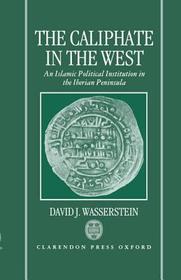
The Caliphate in the West
An Islamic Political Institution in the Iberian Peninsula
-
10% KEDVEZMÉNY?
- A kedvezmény csak az 'Értesítés a kedvenc témákról' hírlevelünk címzettjeinek rendeléseire érvényes.
- Kiadói listaár GBP 115.00
-
54 941 Ft (52 325 Ft + 5% áfa)
Az ár azért becsült, mert a rendelés pillanatában nem lehet pontosan tudni, hogy a beérkezéskor milyen lesz a forint árfolyama az adott termék eredeti devizájához képest. Ha a forint romlana, kissé többet, ha javulna, kissé kevesebbet kell majd fizetnie.
- Kedvezmény(ek) 10% (cc. 5 494 Ft off)
- Kedvezményes ár 49 447 Ft (47 093 Ft + 5% áfa)
Iratkozzon fel most és részesüljön kedvezőbb árainkból!
Feliratkozom
54 941 Ft

Beszerezhetőség
Megrendelésre a kiadó utánnyomja a könyvet. Rendelhető, de a szokásosnál kicsit lassabban érkezik meg.
Why don't you give exact delivery time?
A beszerzés időigényét az eddigi tapasztalatokra alapozva adjuk meg. Azért becsült, mert a terméket külföldről hozzuk be, így a kiadó kiszolgálásának pillanatnyi gyorsaságától is függ. A megadottnál gyorsabb és lassabb szállítás is elképzelhető, de mindent megteszünk, hogy Ön a lehető leghamarabb jusson hozzá a termékhez.
A termék adatai:
- Kiadó Clarendon Press
- Megjelenés dátuma 1993. május 20.
- ISBN 9780198203018
- Kötéstípus Keménykötés
- Terjedelem296 oldal
- Méret 219x146x22 mm
- Súly 492 g
- Nyelv angol
- Illusztrációk line figures, tables 0
Kategóriák
Hosszú leírás:
This is a study of the caliphate as a political institution in Islamic Spain, from its inception in 316/939 until the disappearance of the Umayyads in Cordoba in 422/1031. David J. Wasserstein explores the caliphal claims of the Hammudid dynasty in the south of the peninsula, and examines the caliphal practices of two Slav rulers of the eleventh century. He shows that the caliphal insitution was not abolished at any stage, and that it served rulers throughout the eleventh century as, among other things, an important source of legitimacy.
Professor Wasserstein's important new interpretation is thoroughly grounded not only in the documentary sources, but also in the little-studied and revealing numismatic evidence. This is a significant contribution both to the Islamic history of the Iberian Peninsula and to our understanding of the nature of the caliphate within Islam in general.
`I recommend this study for those of us who have been confused by this enigmatic period; neither Dozy, nor Lévi-Provençal, nor Sánchez Albornoz has been able to clear it up satisfactorily. At last we have some help in this process'
T. B. Irving, Cedar Rapids, Iowa

