

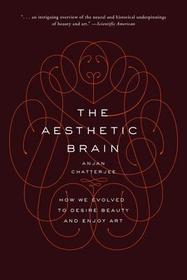
The Aesthetic Brain
How We Evolved to Desire Beauty and Enjoy Art
-
10% KEDVEZMÉNY?
- A kedvezmény csak az 'Értesítés a kedvenc témákról' hírlevelünk címzettjeinek rendeléseire érvényes.
- Kiadói listaár GBP 23.49
-
10 605 Ft (10 100 Ft + 5% áfa)
Az ár azért becsült, mert a rendelés pillanatában nem lehet pontosan tudni, hogy a beérkezéskor milyen lesz a forint árfolyama az adott termék eredeti devizájához képest. Ha a forint romlana, kissé többet, ha javulna, kissé kevesebbet kell majd fizetnie.
- Kedvezmény(ek) 10% (cc. 1 061 Ft off)
- Kedvezményes ár 9 545 Ft (9 090 Ft + 5% áfa)
Iratkozzon fel most és részesüljön kedvezőbb árainkból!
Feliratkozom
10 605 Ft

Beszerezhetőség
Megrendelésre a kiadó utánnyomja a könyvet. Rendelhető, de a szokásosnál kicsit lassabban érkezik meg.
Why don't you give exact delivery time?
A beszerzés időigényét az eddigi tapasztalatokra alapozva adjuk meg. Azért becsült, mert a terméket külföldről hozzuk be, így a kiadó kiszolgálásának pillanatnyi gyorsaságától is függ. A megadottnál gyorsabb és lassabb szállítás is elképzelhető, de mindent megteszünk, hogy Ön a lehető leghamarabb jusson hozzá a termékhez.
A termék adatai:
- Kiadó OUP USA
- Megjelenés dátuma 2015. szeptember 24.
- ISBN 9780190262013
- Kötéstípus Puhakötés
- Terjedelem248 oldal
- Méret 213x140x17 mm
- Súly 299 g
- Nyelv angol 0
Kategóriák
Rövid leírás:
The Aesthetic Brain takes readers on an exciting journey through the world of beauty, pleasure, and art. Using the latest advances in neuroscience and evolutionary psychology, Anjan Chatterjee investigates how aesthetic sensibilitiies are etched into our minds, explaining why artistic concerns feature centrally in our lives.
TöbbHosszú leírás:
The Aesthetic Brain takes readers on an exciting journey through the world of beauty, pleasure, and art. Using the latest advances in neuroscience and evolutionary psychology, Anjan Chatterjee investigates how an aesthetic sense is etched into our minds, and explains why artistic concerns feature centrally in our lives. Along the way, Chatterjee addresses such fundamental questions as: What is beauty? Is it universal? How is beauty related to pleasure? What is art? Should art be beautiful? Do we have an instinct for art?
Early on, Chatterjee probes the reasons why we find people, places, and even numbers beautiful, highlighting the important relationship between beauty and pleasure. Examining our pleasures allows him to reveal why we enjoy things like food, sex, and money, and how these rewards relate to our aesthetic encounters. Chatterjee's detailed discussion of beauty and pleasure equips readers to confront essential questions about the nature of art, the problems of defining it, and the challenges of interpreting its modern, non-traditional forms. Replete with facts, anecdotes, and analogies, this lively empirical guide to aesthetics offers scientific answers to fundamental questions without deflating the intrinsic wonders of beauty and art in an affordable paperback edition.
In this book, Dr Anjan Chatterjee. . . introduces us to the emerging field of neuroasthetics. . . In his cogent review of the long history of human artifact-making art, he carefully considers the many definitions of aesthetics, art, and beauty. . . The author comes to his persuasive conclusion after having carefully examined prehistoric art objects, the history of art, evolutionary biology, brain anatomy, and functional studies.
Tartalomjegyzék:
PREFACE
INTRODUCTION
BEAUTY
1. What is this thing called beauty?
2. Captivating faces
3. The measure of facial beauty
4. The body beautiful
5. How the brain works
6. Brains behind beauty
7. Evolving beauty
8. Landscapes
9. Numbering beauty
10. The illogic of beauty
PLEASURE
1. What is this thing called pleasure?
2. Food
3. Sex
4. Money
5. Liking, wanting, learning
6. The logic of pleasure
ART
1. What is this thing called art?
2. Art: Biology and culture
3. Descriptive science of the arts
4. Experimental science of the arts
5. Conceptual art
6. The inception of art
7. Messy minds
8. Evolving art
9. Art: A tail or a song?
10. The serendipity of art

