
• Kapcsolat

  • Hírlevél

  • Rólunk

  • Szállítási lehetőségek

  • Prospero könyvpiaci podcast

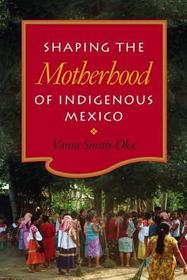
  • Shaping the Motherhood of Indigenous Mexico

    Shaping the Motherhood of Indigenous Mexico by Smith–oka, Vania;

      • 10% KEDVEZMÉNY?

      • A kedvezmény csak az 'Értesítés a kedvenc témákról' hírlevelünk címzettjeinek rendeléseire érvényes.
      • Kiadói listaár GBP 32.00
      • Az ár azért becsült, mert a rendelés pillanatában nem lehet pontosan tudni, hogy a beérkezéskor milyen lesz a forint árfolyama az adott termék eredeti devizájához képest. Ha a forint romlana, kissé többet, ha javulna, kissé kevesebbet kell majd fizetnie.

        15 288 Ft (14 560 Ft + 5% áfa)
      • Kedvezmény(ek) 10% (cc. 1 529 Ft off)
      • Kedvezményes ár 13 759 Ft (13 104 Ft + 5% áfa)

    15 288 Ft

    db

    Beszerezhetőség

    Még nem jelent meg, de rendelhető. A megjelenéstől számított néhány héten belül megérkezik.

    Why don't you give exact delivery time?

    A beszerzés időigényét az eddigi tapasztalatokra alapozva adjuk meg. Azért becsült, mert a terméket külföldről hozzuk be, így a kiadó kiszolgálásának pillanatnyi gyorsaságától is függ. A megadottnál gyorsabb és lassabb szállítás is elképzelhető, de mindent megteszünk, hogy Ön a lehető leghamarabb jusson hozzá a termékhez.

    A termék adatai:

    • Kiadó University of Chicago Press
    • Megjelenés dátuma 2026. április 23.
    • Kötetek száma Paperback

    • ISBN 9780826519184
    • Kötéstípus Puhakötés
    • Terjedelem256 oldal
    • Méret 222x152x19 mm
    • Súly 389 g
    • Nyelv angol
    • Illusztrációk 10 illustrations
    • 700

    Kategóriák

    Hosszú leírás:

    Mainstream Mexican views of indigenous women centre on them as problematic mothers, and development programmes have included the goal of helping these women become ""good mothers."" Economic incentives and conditional cash transfers are the vehicles for achieving this goal.

    With ethnographic immediacy, Shaping the Motherhood of Indigenous Mexico examines the dynamics among the various players - indigenous mothers, clinicians, and representatives of development programmes. The women's voices lead the reader to understand the structures of dependency that paradoxically bind indigenous women within a programme that calls for their empowerment.

    The cash transfer programme is Oportunidades, which enrolls more than a fifth of Mexico's population. It expects mothers to become involved in their children's lives at three nodes - health, nutrition, and education. If women do not comply with the standards of modern motherhood, they are dropped from the programme and lose the bi-monthly cash payments.

    Smith-Oka explores the everyday implementation of the program and its unintended consequences. The mothers are often berated by clinicians for having too many children (Smith-Oka provides background on the history of eugenics and population control in Mexico) and for other examples of their ""backward"" ways. An entire chapter focuses on the humor indigenous women use to cope with disrespectful comments. Ironically, this form of resistance allows the women to accept the situation that controls their behaviour.

    Több
    0