

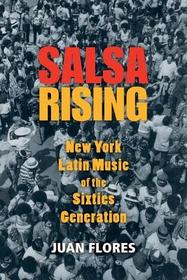
Salsa Rising
New York Latin Music of the Sixties Generation
-
10% KEDVEZMÉNY?
- A kedvezmény csak az 'Értesítés a kedvenc témákról' hírlevelünk címzettjeinek rendeléseire érvényes.
- Kiadói listaár GBP 145.00
-
65 467 Ft (62 350 Ft + 5% áfa)
Az ár azért becsült, mert a rendelés pillanatában nem lehet pontosan tudni, hogy a beérkezéskor milyen lesz a forint árfolyama az adott termék eredeti devizájához képest. Ha a forint romlana, kissé többet, ha javulna, kissé kevesebbet kell majd fizetnie.
- Kedvezmény(ek) 10% (cc. 6 547 Ft off)
- Kedvezményes ár 58 921 Ft (56 115 Ft + 5% áfa)
Iratkozzon fel most és részesüljön kedvezőbb árainkból!
Feliratkozom
65 467 Ft

Beszerezhetőség
Megrendelésre a kiadó utánnyomja a könyvet. Rendelhető, de a szokásosnál kicsit lassabban érkezik meg.
Why don't you give exact delivery time?
A beszerzés időigényét az eddigi tapasztalatokra alapozva adjuk meg. Azért becsült, mert a terméket külföldről hozzuk be, így a kiadó kiszolgálásának pillanatnyi gyorsaságától is függ. A megadottnál gyorsabb és lassabb szállítás is elképzelhető, de mindent megteszünk, hogy Ön a lehető leghamarabb jusson hozzá a termékhez.
A termék adatai:
- Kiadó OUP USA
- Megjelenés dátuma 2016. április 7.
- ISBN 9780199764891
- Kötéstípus Keménykötés
- Terjedelem288 oldal
- Méret 145x218x20 mm
- Súly 451 g
- Nyelv angol
- Illusztrációk 34 halftones 0
Kategóriák
Rövid leírás:
Salsa Rising provides the first full-length historical account of Latin Music in this city guided by close critical attention to issues of tradition and experimentation, authenticity and dilution, and the often clashing roles of cultural communities and the commercial recording industry in the shaping of musical practices and tastes.
TöbbHosszú leírás:
In the 1920s and 30s, musicians from Latin America and the Caribbean were flocking to New York, lured by the burgeoning recording studios and lucrative entertainment venues. In the late 1940s and 50s, the big-band mambo dance scene at the famed Palladium Ballroom was the stuff of legend, while modern-day music history was being made as the masters of Afro-Cuban and jazz idiom conspired to create Cubop, the first incarnation of Latin jazz. Then, in the 1960s, as the Latino population came to exceed a million strong, a new generation of New York Latinos, mostly Puerto Ricans born and raised in the city, went on to create the music that came to be called salsa, which continues to enjoy avid popularity around the world. And now, the children of the mambo and salsa generation are contributing to the making of hip hop and reviving ancestral Afro-Caribbean forms like Cuban rumba, Puerto Rican bomba, and Dominican palo.
Salsa Rising provides the first full-length historical account of Latin Music in this city guided by close critical attention to issues of tradition and experimentation, authenticity and dilution, and the often clashing roles of cultural communities and the commercial recording industry in the shaping of musical practices and tastes. It is a history not only of the music, the changing styles and practices, the innovators, venues and songs, but also of the music as part of the larger social history, ranging from immigration and urban history, to the formation of communities, to issues of colonialism, race and class as they bear on and are revealed by the trajectory of the music. Author Juan Flores brings a wide range of people in the New York Latin music field into his work, including musicians, producers, arrangers, collectors, journalists, and lay and academic scholars, enriching Salsa Rising with a unique level of engagement with and interest in Latin American communities and musicians themselves.
The book is sure to become an indispensable point of reference in the cultural history of salsa.
Tartalomjegyzék:
Preface
Introduction. Guaracha to Mambo: Style Shifts of the Earlier Generations (1930-60)
Chapter 1. Pachanga Alegre
Chapter 2. La PerfectaFit
Chapter 3. Boogaloo Soul
Chapter 4. Revolt in Típico
Chapter 5. Fania’s Latin Thing
Chapter 6. Salsoul Challenges
Coda

