

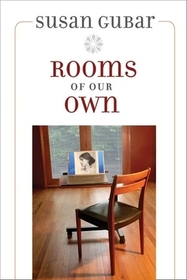
Rooms of Our Own
-
20% KEDVEZMÉNY?
- A kedvezmény csak az 'Értesítés a kedvenc témákról' hírlevelünk címzettjeinek rendeléseire érvényes.
- Kiadói listaár GBP 17.99
-
8 122 Ft (7 735 Ft + 5% áfa)
Az ár azért becsült, mert a rendelés pillanatában nem lehet pontosan tudni, hogy a beérkezéskor milyen lesz a forint árfolyama az adott termék eredeti devizájához képest. Ha a forint romlana, kissé többet, ha javulna, kissé kevesebbet kell majd fizetnie.
- Kedvezmény(ek) 20% (cc. 1 624 Ft off)
- Kedvezményes ár 6 497 Ft (6 188 Ft + 5% áfa)
- A kedvezmény érvényes eddig: 2026. június 30.
Iratkozzon fel most és részesüljön kedvezőbb árainkból!
Feliratkozom
8 122 Ft

Beszerezhetőség
Becsült beszerzési idő: A Prosperónál jelenleg nincsen raktáron, de a kiadónál igen. Beszerzés kb. 3-5 hét..
A Prosperónál jelenleg nincsen raktáron.
Why don't you give exact delivery time?
A beszerzés időigényét az eddigi tapasztalatokra alapozva adjuk meg. Azért becsült, mert a terméket külföldről hozzuk be, így a kiadó kiszolgálásának pillanatnyi gyorsaságától is függ. A megadottnál gyorsabb és lassabb szállítás is elképzelhető, de mindent megteszünk, hogy Ön a lehető leghamarabb jusson hozzá a termékhez.
A termék adatai:
- Kiadó University of Illinois Press
- Megjelenés dátuma 2006. október 30.
- Kötetek száma Paperback
- ISBN 9780252073793
- Kötéstípus Puhakötés
- Lásd még 9780252031403
- Terjedelem256 oldal
- Méret 216x140x18 mm
- Súly 367 g
- Nyelv angol 0
Kategóriák
Hosszú leírás:
With a little help from Virginia Woolf, Susan Gubar contemplates startling transformations produced by the women's movement in recent decades. What advances have women made and what still needs to be done? Taking Woolf's classic A Room of One's Own as her guide, Gubar engages these questions by recounting one year in the life of an English professor.
A meditation on the teaching of literature and on the state of the humanities today, her chapters also provide a crash course on the challenges and changes in feminist intellectual history over the past several decades: the influence of post-structuralism and of critical race, postcolonial, and cultural studies scholarship; the stakes of queer theory and the institutionalization of women's studies; and the effects of globalism and bioengineering on conversations about gender, sex, and sexuality. Yet Rooms of Our Own eschews a scholarly approach. Instead, through narrative criticism it enlists a thoroughly contemporary cast of characters who tell us as much about the comedies and tragedies of campus life today as they do about the sometimes contentious but invariably liberating feminisms of our future.

