

-
10% KEDVEZMÉNY?
- A kedvezmény csak az 'Értesítés a kedvenc témákról' hírlevelünk címzettjeinek rendeléseire érvényes.
- Kiadói listaár GBP 125.00
-
56 437 Ft (53 750 Ft + 5% áfa)
Az ár azért becsült, mert a rendelés pillanatában nem lehet pontosan tudni, hogy a beérkezéskor milyen lesz a forint árfolyama az adott termék eredeti devizájához képest. Ha a forint romlana, kissé többet, ha javulna, kissé kevesebbet kell majd fizetnie.
- Kedvezmény(ek) 10% (cc. 5 644 Ft off)
- Kedvezményes ár 50 794 Ft (48 375 Ft + 5% áfa)
Iratkozzon fel most és részesüljön kedvezőbb árainkból!
Feliratkozom
56 437 Ft

Beszerezhetőség
Megrendelésre a kiadó utánnyomja a könyvet. Rendelhető, de a szokásosnál kicsit lassabban érkezik meg.
Why don't you give exact delivery time?
A beszerzés időigényét az eddigi tapasztalatokra alapozva adjuk meg. Azért becsült, mert a terméket külföldről hozzuk be, így a kiadó kiszolgálásának pillanatnyi gyorsaságától is függ. A megadottnál gyorsabb és lassabb szállítás is elképzelhető, de mindent megteszünk, hogy Ön a lehető leghamarabb jusson hozzá a termékhez.
A termék adatai:
- Kiadó OUP USA
- Megjelenés dátuma 2016. április 14.
- ISBN 9780199790913
- Kötéstípus Keménykötés
- Terjedelem256 oldal
- Méret 160x236x20 mm
- Súly 567 g
- Nyelv angol
- Illusztrációk 2 illus. 0
Kategóriák
Rövid leírás:
Ritual theorizing has tended to focus on perfect rituals, as prescribed in sacred texts, yet ritual mistakes occur all the time--crucial items can go missing or get broken, incorrect phrases can be said.
TöbbHosszú leírás:
The discipline of religious studies has, historically, tended to focus on discrete ritual mistakes that occur in the context of individual performances outlined in ethnographic or sociological studies, and scholars have largely dismissed the fact that there are extensive discussions of ritual mistakes in many indigenous traditions' religious literature. And yet ritual mistakes (ranging from the simple to the complex) happen all the time, and they continue to carry ritual "weight," even when no one seriously doubts their impact on the efficacy of a ritual.
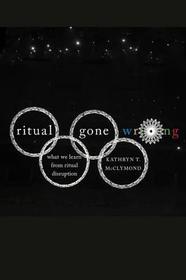
In Ritual Gone Wrong, Kathryn McClymond approaches ritual mistakes as an integral part of ritual life and argues that religious traditions can accommodate mistakes and are often prepared for them. McClymond shows that many traditions even incorporate the regular occurrence of errors into their ritual systems, developing a substantial literature on how rituals can be disrupted, how these disruptions can be addressed, and when disruptions have gone too far. Using a series of case studies ranging from ancient India to modern day Iraq, and from medieval allegations of child sacrifice to contemporary Olympic ceremonies, McClymond explores the numerous ways in which ritual can go wrong, and demonstrates that the ritual is by nature fluid, supple, and dynamic-simultaneously adapting to socio-cultural conditions and, in some cases, shaping them.
Ritual Gone Wrong is a worthy entry in the Oxford Ritual Studies series and well worth adopting into a graduate course on ritual or methodology and creatively excerpting for undergraduates.
Tartalomjegyzék:
Acknowledgements
Abbreviations
Introduction
Chapter 1 Negotiating Ritual Repair: The prayascitta material in the Baudhayana Srauta Sutra
Chapter 2 Don't Cry Over Spilled Blood: Ritual Correction in the Mishnah
Chapter 3 Blood Libel: Ritual Misrepresentation
Chapter 4 Of Fists and Feathers: The Modern Olympic Games
Chapter 5 When Ritual Systems Collide: The Execution of Saddam Hussein
Conclusion
Appendix
Notes
Bibliography

