

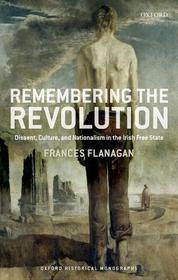
Remembering the Revolution
Dissent, Culture, and Nationalism in the Irish Free State
Sorozatcím: Oxford Historical Monographs;
-
10% KEDVEZMÉNY?
- A kedvezmény csak az 'Értesítés a kedvenc témákról' hírlevelünk címzettjeinek rendeléseire érvényes.
- Kiadói listaár GBP 122.50
-
58 524 Ft (55 737 Ft + 5% áfa)
Az ár azért becsült, mert a rendelés pillanatában nem lehet pontosan tudni, hogy a beérkezéskor milyen lesz a forint árfolyama az adott termék eredeti devizájához képest. Ha a forint romlana, kissé többet, ha javulna, kissé kevesebbet kell majd fizetnie.
- Kedvezmény(ek) 10% (cc. 5 852 Ft off)
- Kedvezményes ár 52 671 Ft (50 163 Ft + 5% áfa)
Iratkozzon fel most és részesüljön kedvezőbb árainkból!
Feliratkozom
58 524 Ft

Beszerezhetőség
Megrendelésre a kiadó utánnyomja a könyvet. Rendelhető, de a szokásosnál kicsit lassabban érkezik meg.
Why don't you give exact delivery time?
A beszerzés időigényét az eddigi tapasztalatokra alapozva adjuk meg. Azért becsült, mert a terméket külföldről hozzuk be, így a kiadó kiszolgálásának pillanatnyi gyorsaságától is függ. A megadottnál gyorsabb és lassabb szállítás is elképzelhető, de mindent megteszünk, hogy Ön a lehető leghamarabb jusson hozzá a termékhez.
A termék adatai:
- Kiadó OUP Oxford
- Megjelenés dátuma 2015. június 18.
- ISBN 9780198739159
- Kötéstípus Keménykötés
- Terjedelem272 oldal
- Méret 225x148x23 mm
- Súly 454 g
- Nyelv angol 0
Kategóriák
Rövid leírás:
Chronicles the ways in which the Irish revolution was remembered in the first two decades of independence by significant nationalist intellectuals: Eimar O'Duffy, P. S. O'Hegarty, George Russell, and Desmond Ryan. It provides a lively account of their controversial critiques of the revolution, and an intimate portrait of their lives and times.
TöbbHosszú leírás:
Remembering the Irish Revolution chronicles the ways in which the Irish revolution was remembered in the first two decades of Irish independence. While tales of heroism and martyrdom dominated popular accounts of the revolution, a handful of nationalists reflected on the period in more ambivalent terms. For them, the freedoms won in revolution came with great costs: the grievous loss of civilian lives, the brutalisation of Irish society, and the loss of hope for a united and prosperous independent nation. To many nationalists, their views on the revolution were traitorous. For others, they were the courageous expression of some uncomfortable truths.
This volume explores these struggles over revolutionary memory through the lives of four significant, but under-researched nationalist intellectuals: Eimar O'Duffy, P. S. O'Hegarty, George Russell, and Desmond Ryan. It provides a lively account of their controversial critiques of the Irish revolution, and an intimate portrait of the friends, enemies, institutions and influences that shaped them.
Based on wide-ranging archival research, Remembering the Irish Revolution puts the history of Irish revolutionary memory in a transnational context. It shows the ways in which international debates about war, human progress, and the fragility of Western civilisation were crucial in shaping the understandings of the revolution in Ireland. It provides a fresh context for analysis the major writers of the period, such as Sean O'Casey, W. B. Yeats, and Sean O'Faolain, as well as a new outlook on the genesis of the revisionist/nationalist schism that continues to resonate in Irish society today.
On a larger scale, in Remembering the Revolution: Dissent, Culture, and Nationalism in the Irish Free State, Frances Flanagan charts similar revisions through the fiction and non-fiction prose of four "nationalist intellectuals" ... close readings, informed by both political and literary history
Tartalomjegyzék:
Introduction
Writing the revolution in the Free State
Eimar O'Duffy and the Waste of 1916
Clean Minded Separatists and the Mob: P.S. O'Hegarty and the ambiguous victory of Sinn Fein
Shivering Elders and the Exploits of Youth: George Russell's interpretations of the Irish revolution
Remembering Sion: Desmond Ryan's therapeutic revolution
Conclusion: Dissent, disillusionment, and the nationalist ideal
Bibliography

