

-
20% KEDVEZMÉNY?
- A kedvezmény csak az 'Értesítés a kedvenc témákról' hírlevelünk címzettjeinek rendeléseire érvényes.
- Kiadói listaár GBP 17.99
-
8 122 Ft (7 735 Ft + 5% áfa)
Az ár azért becsült, mert a rendelés pillanatában nem lehet pontosan tudni, hogy a beérkezéskor milyen lesz a forint árfolyama az adott termék eredeti devizájához képest. Ha a forint romlana, kissé többet, ha javulna, kissé kevesebbet kell majd fizetnie.
- Kedvezmény(ek) 20% (cc. 1 624 Ft off)
- Kedvezményes ár 6 497 Ft (6 188 Ft + 5% áfa)
- A kedvezmény érvényes eddig: 2026. június 30.
Iratkozzon fel most és részesüljön kedvezőbb árainkból!
Feliratkozom
8 122 Ft

Beszerezhetőség
Becsült beszerzési idő: A Prosperónál jelenleg nincsen raktáron, de a kiadónál igen. Beszerzés kb. 3-5 hét..
A Prosperónál jelenleg nincsen raktáron.
Why don't you give exact delivery time?
A beszerzés időigényét az eddigi tapasztalatokra alapozva adjuk meg. Azért becsült, mert a terméket külföldről hozzuk be, így a kiadó kiszolgálásának pillanatnyi gyorsaságától is függ. A megadottnál gyorsabb és lassabb szállítás is elképzelhető, de mindent megteszünk, hogy Ön a lehető leghamarabb jusson hozzá a termékhez.
A termék adatai:
- Kiadó Indiana University Press
- Megjelenés dátuma 2020. szeptember 1.
- Kötetek száma Print PDF
- ISBN 9780253049773
- Kötéstípus Puhakötés
- Terjedelem212 oldal
- Méret 229x152 mm
- Súly 318 g
- Nyelv angol
- Illusztrációk 26 b&w illus. Illustrations, black & white 25
Kategóriák
Hosszú leírás:
"
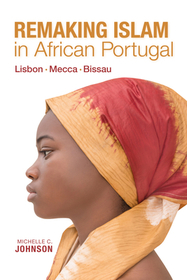
When Guinean Muslims leave their homeland, they encounter radically new versions of Islam and new approaches to religion more generally. In Remaking Islam in African Portugal, Michelle C. Johnson explores the religious lives of these migrants in the context of diaspora. Since Islam arrived in West Africa centuries ago, Muslims in this region have long conflated ethnicity and Islam, such that to be Mandinga or Fula is also to be Muslim. But as they increasingly encounter Muslims not from Africa, as well as other ways of being Muslim, they must question and revise their understanding of ""proper"" Muslim belief and practice. Many men, in particular, begin to separate African custom from global Islam. Johnson maintains that this cultural intersection is highly gendered as she shows how Guinean Muslim men in Lisbon—especially those who can read Arabic, have made the pilgrimage to Mecca, and attend Friday prayer at Lisbon's central mosque—aspire to be cosmopolitan Muslims. By contrast, Guinean women—many of whom never studied the Qur'an, do not read Arabic, and feel excluded from the mosque—remain more comfortably rooted in African custom. In response, these women have created a ""culture club"" as an alternative Muslim space where they can celebrate life course rituals and Muslim holidays on their own terms. Remaking Islam in African Portugal highlights what being Muslim means in urban Europe and how Guinean migrants' relationships to their ritual practices must change as they remake themselves and their religion.
" TöbbTartalomjegyzék:
"
1. Faith and Fieldwork in African Lisbon
Part 1: Remaking Islam through Life Course Rituals
2. Name-Giving and Hand-Writing: Childhood Rituals and Embodying Islam
3. Making Mandinga, Making Muslims: Initiation, Circumcision, and Ritual Uncertainty
4. Distant Departures: Funerals, Post-Burial Sacrifices, and Rupturing Place and Identity
Part 2: Remaking Islam through Rituals Beyond the Life Course
5. Reversals of Fortune: From Healing-Divining to Astrology
6. ""Welcome Back from Mecca!"": Reimagining the Hajj
Epilogue: Faith, Food, and Fashion: Religion in Diaspora
Bibliography
Index

