

-
10% KEDVEZMÉNY?
- A kedvezmény csak az 'Értesítés a kedvenc témákról' hírlevelünk címzettjeinek rendeléseire érvényes.
- Kiadói listaár GBP 83.00
-
37 474 Ft (35 690 Ft + 5% áfa)
Az ár azért becsült, mert a rendelés pillanatában nem lehet pontosan tudni, hogy a beérkezéskor milyen lesz a forint árfolyama az adott termék eredeti devizájához képest. Ha a forint romlana, kissé többet, ha javulna, kissé kevesebbet kell majd fizetnie.
- Kedvezmény(ek) 10% (cc. 3 747 Ft off)
- Kedvezményes ár 33 727 Ft (32 121 Ft + 5% áfa)
Iratkozzon fel most és részesüljön kedvezőbb árainkból!
Feliratkozom
37 474 Ft

Beszerezhetőség
Megrendelésre a kiadó utánnyomja a könyvet. Rendelhető, de a szokásosnál kicsit lassabban érkezik meg.
Why don't you give exact delivery time?
A beszerzés időigényét az eddigi tapasztalatokra alapozva adjuk meg. Azért becsült, mert a terméket külföldről hozzuk be, így a kiadó kiszolgálásának pillanatnyi gyorsaságától is függ. A megadottnál gyorsabb és lassabb szállítás is elképzelhető, de mindent megteszünk, hogy Ön a lehető leghamarabb jusson hozzá a termékhez.
A termék adatai:
- Kiadó OUP USA
- Megjelenés dátuma 2008. február 21.
- ISBN 9780195331639
- Kötéstípus Keménykötés
- Terjedelem288 oldal
- Méret 157x236x27 mm
- Súly 570 g
- Nyelv angol
- Illusztrációk numerous tables 0
Kategóriák
Rövid leírás:
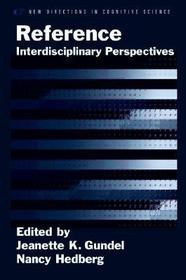
This volume is concerned with central themes in research on reference within cognitive sciences. The articles, written by leading scholars in linguistics, computational linguistics, philosophy and cognitive psychology, examine reference from a number of disciplinary and interdisciplinary perspectives, informed by different research traditions and employing different methodologies.
TöbbHosszú leírás:
The ability to produce and understand referring expressions is basic to human language use and human cognition. Reference comprises the ability to think of and represent objects (both real and imagined/fictional), to indicate to others which of these objects we are talking about, and to determine what others are talking about when they use a nominal expression.
The articles in this volume are concerned with some of the central themes and challenges in research on reference within the cognitive sciences - philosophy (including philosophy of language and mind, logic, and formal semantics), theoretical and computational linguistics, and cognitive psychology. The papers address four basic questions: What is reference? What is the appropriate analysis of different referring forms, such as pronouns vs. full noun phrases, demonstrative vs. personal pronouns, and overt vs. null/zero pronominal forms? Some of the papers assume and build on existing theories, such as Centering Theory and the Givenness Hierarchy framework; others propose their own models of reference understanding or production.
The essays examine reference from a number of disciplinary and interdisciplinary perspectives, informed by different research traditions and employing different methodologies. While the contributors to the volume were primarily trained in one of four represented disciplines - computer science, linguistics, philosophy and psychology, and use methodologies typical of that discipline, each of them bridges more than one discipline in their methodology and/or their approach.

