

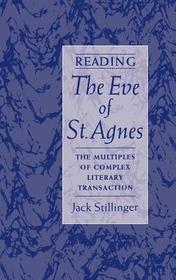
Reading The Eve of St Agnes
The Multiples of Complex Literary Transaction
-
10% KEDVEZMÉNY?
- A kedvezmény csak az 'Értesítés a kedvenc témákról' hírlevelünk címzettjeinek rendeléseire érvényes.
- Kiadói listaár GBP 135.00
-
64 496 Ft (61 425 Ft + 5% áfa)
Az ár azért becsült, mert a rendelés pillanatában nem lehet pontosan tudni, hogy a beérkezéskor milyen lesz a forint árfolyama az adott termék eredeti devizájához képest. Ha a forint romlana, kissé többet, ha javulna, kissé kevesebbet kell majd fizetnie.
- Kedvezmény(ek) 10% (cc. 6 450 Ft off)
- Kedvezményes ár 58 047 Ft (55 283 Ft + 5% áfa)
Iratkozzon fel most és részesüljön kedvezőbb árainkból!
Feliratkozom
64 496 Ft

Beszerezhetőség
Megrendelésre a kiadó utánnyomja a könyvet. Rendelhető, de a szokásosnál kicsit lassabban érkezik meg.
Why don't you give exact delivery time?
A beszerzés időigényét az eddigi tapasztalatokra alapozva adjuk meg. Azért becsült, mert a terméket külföldről hozzuk be, így a kiadó kiszolgálásának pillanatnyi gyorsaságától is függ. A megadottnál gyorsabb és lassabb szállítás is elképzelhető, de mindent megteszünk, hogy Ön a lehető leghamarabb jusson hozzá a termékhez.
A termék adatai:
- Kiadó OUP USA
- Megjelenés dátuma 1999. november 4.
- ISBN 9780195130225
- Kötéstípus Keménykötés
- Terjedelem200 oldal
- Méret 234x157x22 mm
- Súly 431 g
- Nyelv angol
- Illusztrációk 2 line illustrations 0
Kategóriák
Rövid leírás:
Using the 180-year history of Keats's Eve of St. Agnes as a basis for theorizing about the reading process, Stillinger's book explores the nature and whereabouts of `meaning' in complex works. A proponent of authorial intent, Stillinger argues a theoretical compromise between author and reader, applying a theory of interpretive democracy tha includes the endlessly multifarious reader's response as well as Keats's guessed-at intent. Stillinger also ruminates on the process of constructing meaning, and posits an answer to why Keats's work is considered canonical, and why it is still being read and admired.
TöbbHosszú leírás:
Using the 180-year history of Keats's Eve of St. Agnes as a basis for theorizing about the reading process, Stillinger's book explores the nature and whereabouts of `meaning' in complex works. A proponent of authorial intent, Stillinger argues a theoretical compromise between author and reader, applying a theory of interpretive democracy tha includes the endlessly multifarious reader's response as well as Keats's guessed-at intent. Stillinger also ruminates on the process of constructing meaning, and posits an answer to why Keats's work is considered canonical, and why it is still being read and admired.
It is a very suggestive book, scholarly yet unfussy and broad-minded; it ranges patiently round the great questions and manages to be progressive and reactionary at once (as its author happily acknowledges on p. ix). It might even set the cat among the pigeons, a prime function of criticism.

