

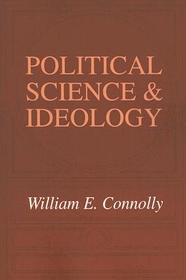
Political Science and Ideology
-
10% KEDVEZMÉNY?
- A kedvezmény csak az 'Értesítés a kedvenc témákról' hírlevelünk címzettjeinek rendeléseire érvényes.
- Kiadói listaár GBP 45.99
-
21 971 Ft (20 925 Ft + 5% áfa)
Az ár azért becsült, mert a rendelés pillanatában nem lehet pontosan tudni, hogy a beérkezéskor milyen lesz a forint árfolyama az adott termék eredeti devizájához képest. Ha a forint romlana, kissé többet, ha javulna, kissé kevesebbet kell majd fizetnie.
- Kedvezmény(ek) 10% (cc. 2 197 Ft off)
- Kedvezményes ár 19 774 Ft (18 833 Ft + 5% áfa)
Iratkozzon fel most és részesüljön kedvezőbb árainkból!
Feliratkozom
21 971 Ft

Beszerezhetőség
Becsült beszerzési idő: Várható beérkezés: 2026. január vége.
A Prosperónál jelenleg nincsen raktáron.
Why don't you give exact delivery time?
A beszerzés időigényét az eddigi tapasztalatokra alapozva adjuk meg. Azért becsült, mert a terméket külföldről hozzuk be, így a kiadó kiszolgálásának pillanatnyi gyorsaságától is függ. A megadottnál gyorsabb és lassabb szállítás is elképzelhető, de mindent megteszünk, hogy Ön a lehető leghamarabb jusson hozzá a termékhez.
A termék adatai:
- Kiadás sorszáma 1
- Kiadó Routledge
- Megjelenés dátuma 2006. augusztus 15.
- Kötetek száma Paperback
- ISBN 9780202308517
- Kötéstípus Puhakötés
- Terjedelem190 oldal
- Méret 234x156 mm
- Súly 362 g
- Nyelv angol 0
Kategóriák
Rövid leírás:
Professor David Kettler commented at the time of initial release, that this book is "writing with great poise and clarity, the author says important things in a deceptively simple way about a problem of paramount significance
TöbbHosszú leírás:
Professor David Kettler commented at the time of initial release, that this book is "writing with great poise and clarity, the author says important things in a deceptively simple way about a problem of paramount significance. A fine piece of clarification, blending just the right mixture of respect and impiety toward the important heroes of contemporary political science, this is the kind of book I look forward to having available for our courses in political theory."
Ideology, though long pronounced moribund, continues to play a central role in contemporary political inquiry. In this reevaluation of the true function of political science, the author lays down guidelines for the construction of fruitful political interpretations in the large areas where ideological assumptions and claims cannot be adequately tested. He analyzes two representative theories of power in American society-those of the "pluralists" who affirm and the "elitists" who dispute the case for democracy-and demonstrates how personal preferences and group-oriented interests enter into the development of these concepts. Speaking to all social scientists and students engaged in the study of political processes, Connolly details the methods by which the investigator-who inevitably brings his own beliefs and values to the task-can lay bare and control the ideological aspects of his own work and that of others.
A critical examination of the writings of some of the leading figures in recent and contemporary political inquiry, such as Karl Mannheim, C. Wright Mills, Robert Dahl, Daniel Bell, and Seymour Martin Lipset leads him to assign a decisive role for the political scientist in the creation of carefully formulated ideologies. An original mind, drawing upon an exceptionally rich store of knowledge, has here produced an important book which will be of immediate-and challenging-relevance to the work and studies of all scholars, graduate students, and majors in the field of government and to all concerned with fundamental problems in social science.
William E. Connolly was Professor of Political Science at Ohio University. He has held a Horace Rackham Graduate Fellowship and has taught at the University of Michigan, where he received his undergraduate and graduate training in political and social science. He is currently Krieger-Eisenhower Professor of Political Science at John Hopkins University.
Tartalomjegyzék:
1: The Problem of Ideology; 2: The Ideological Context of Power Analysis; 3: I The Sociology of Knowledge; 4: I The Concept of the Perspective; 5: I Toward Responsible Ideology; Conclusion
Több
