

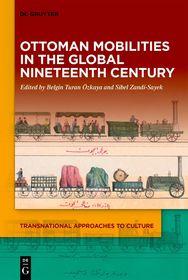
Ottoman Mobilities in the Global Nineteenth Century
Sorozatcím: Transnational Approaches to Culture; 4;
-
20% KEDVEZMÉNY?
- A kedvezmény csak az 'Értesítés a kedvenc témákról' hírlevelünk címzettjeinek rendeléseire érvényes.
- Kiadói listaár EUR 119.95
-
46 852 Ft (44 621 Ft + 5% áfa)
Az ár azért becsült, mert a rendelés pillanatában nem lehet pontosan tudni, hogy a beérkezéskor milyen lesz a forint árfolyama az adott termék eredeti devizájához képest. Ha a forint romlana, kissé többet, ha javulna, kissé kevesebbet kell majd fizetnie.
- Kedvezmény(ek) 20% (cc. 9 370 Ft off)
- Kedvezményes ár 37 482 Ft (35 697 Ft + 5% áfa)
- A kedvezmény érvényes eddig: 2026. június 30.
Iratkozzon fel most és részesüljön kedvezőbb árainkból!
Feliratkozom
46 852 Ft

Beszerezhetőség
Még nem jelent meg, de rendelhető. A megjelenéstől számított néhány héten belül megérkezik.
Why don't you give exact delivery time?
A beszerzés időigényét az eddigi tapasztalatokra alapozva adjuk meg. Azért becsült, mert a terméket külföldről hozzuk be, így a kiadó kiszolgálásának pillanatnyi gyorsaságától is függ. A megadottnál gyorsabb és lassabb szállítás is elképzelhető, de mindent megteszünk, hogy Ön a lehető leghamarabb jusson hozzá a termékhez.
A termék adatai:
- Kiadás sorszáma 1
- Kiadó De Gruyter
- Megjelenés dátuma 2026. december 14.
- ISBN 9783111548302
- Kötéstípus Keménykötés
- Terjedelem300 oldal
- Méret 240x160 mm
- Súly 500 g
- Nyelv angol
- Illusztrációk 50 Illustrations, black & white; 18 Illustrations, color 695
Kategóriák
Hosszú leírás:
How did Ottoman individuals and objects interact within the wider nineteenth-century world? The eleven essays from scholars in the field of art history, history, and archaeology delve into the Tour d’Europe of junior bureaucrats; the transnational endeavors of learned societies; the artistic output of mobile agents; the Ottoman commodities sent to the World’s Fairs; and the itinerant artifacts amassed in fledgling public museums and private collections. These chapters provide insights into the foundational stages of modern disciplines and areas of expertise, including archaeology, Islamic art, and engineering. Collectively, they emphasize the significance of actors often marginalized in existing historiographies or written out by the logic of national archives. Employing a detailed approach and interdisciplinary perspective, the contributors merge the insights of art, architectural, cultural, and intellectual historians whose work is grounded in archival research. Tailored for both students and scholars focusing on late Ottoman culture and Middle East studies, as well as historians of Islamic art, architecture and material culture, Ottoman Mobilities will also engage a wider audience interested in the interdisciplinary field of nineteenth-century mobility studies.
Több
