

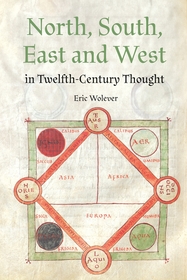
North, South, East and West in Twelfth-Century Thought
-
20% KEDVEZMÉNY?
- A kedvezmény csak az 'Értesítés a kedvenc témákról' hírlevelünk címzettjeinek rendeléseire érvényes.
- Kiadói listaár GBP 95.00
-
42 892 Ft (40 850 Ft + 5% áfa)
Az ár azért becsült, mert a rendelés pillanatában nem lehet pontosan tudni, hogy a beérkezéskor milyen lesz a forint árfolyama az adott termék eredeti devizájához képest. Ha a forint romlana, kissé többet, ha javulna, kissé kevesebbet kell majd fizetnie.
- Kedvezmény(ek) 20% (cc. 8 578 Ft off)
- Kedvezményes ár 34 314 Ft (32 680 Ft + 5% áfa)
- A kedvezmény érvényes eddig: 2026. június 30.
Iratkozzon fel most és részesüljön kedvezőbb árainkból!
Feliratkozom
42 892 Ft

Beszerezhetőség
Becsült beszerzési idő: A Prosperónál jelenleg nincsen raktáron, de a kiadónál igen. Beszerzés kb. 3-5 hét..
A Prosperónál jelenleg nincsen raktáron.
Why don't you give exact delivery time?
A beszerzés időigényét az eddigi tapasztalatokra alapozva adjuk meg. Azért becsült, mert a terméket külföldről hozzuk be, így a kiadó kiszolgálásának pillanatnyi gyorsaságától is függ. A megadottnál gyorsabb és lassabb szállítás is elképzelhető, de mindent megteszünk, hogy Ön a lehető leghamarabb jusson hozzá a termékhez.
A termék adatai:
- Kiadó Boydell & Brewer Ltd
- Megjelenés dátuma 2025. december 23.
- ISBN 9781837650637
- Kötéstípus Keménykötés
- Terjedelem338 oldal
- Méret 234x156 mm
- Súly 581 g
- Nyelv angol
- Illusztrációk 8 b/w illus. 665
Kategóriák
Rövid leírás:
Considers how twelfth-century authors used the four cardinal points as a conceptual system to make sense of and construct their world.
TöbbHosszú leírás:
Considers how twelfth-century authors used the four cardinal points as a conceptual system to make sense of and construct their world. From the Great White North to the West End or the Global South, we frequently carve up our world according to the cardinal points. These divisions are rarely mere geographical conveniences; they bring with them a host of ideas about regions and their inhabitants. This book examines how this phenomenon operated in the Middle Ages, drawing on sources from the Ordinary Gloss on the Bible to the geographies of Hugh of Saint Victor and Honorius Augustodunensis. It begins by tracing the consolidation of the cardinal points as a foundational spatial vocabulary in the Middle Ages and looks athow these terms accumulated new meaning and significance in biblical exegesis, geography and history writing over the twelfth century. It pays particular attention to the ways in which authors actively engaged with and manipulated this tradition, showing how authors like Sigebert of Gembloux, Romuald of Salerno and Orderic Vitalis made use of these ideas to underscore the broader narrative agendas of their universal histories. Subsequent chapters focus on the role of space in narratives of identity formation, using as case studies histories of the First Crusade, the duchy of Normandy and the abbey of Cluny.
TöbbTartalomjegyzék:
List of Illustrations Acknowledgements Abbreviations Notes on Terminology and Translation Introduction 1. The Exegetical Tradition 2. The Geographical Tradition 3. The North in Universal Histories 4. Western Identity and the First Crusade 5. The Men of the North 6. North and No South Conclusion Bibliography Index
Több
