

-
10% KEDVEZMÉNY?
- A kedvezmény csak az 'Értesítés a kedvenc témákról' hírlevelünk címzettjeinek rendeléseire érvényes.
- Kiadói listaár GBP 22.99
-
10 379 Ft (9 885 Ft + 5% áfa)
Az ár azért becsült, mert a rendelés pillanatában nem lehet pontosan tudni, hogy a beérkezéskor milyen lesz a forint árfolyama az adott termék eredeti devizájához képest. Ha a forint romlana, kissé többet, ha javulna, kissé kevesebbet kell majd fizetnie.
- Kedvezmény(ek) 10% (kb. 1 038 Ft)
- Kedvezményes ár 9 341 Ft (8 897 Ft + 5% áfa)
Iratkozzon fel most és részesüljön kedvezőbb árainkból!
Feliratkozom
10 379 Ft

Beszerezhetőség
Becsült beszerzési idő: A Prosperónál jelenleg nincsen raktáron, de a kiadónál igen. Beszerzés kb. 3-5 hét..
A Prosperónál jelenleg nincsen raktáron.
Why don't you give exact delivery time?
A beszerzés időigényét az eddigi tapasztalatokra alapozva adjuk meg. Azért becsült, mert a terméket külföldről hozzuk be, így a kiadó kiszolgálásának pillanatnyi gyorsaságától is függ. A megadottnál gyorsabb és lassabb szállítás is elképzelhető, de mindent megteszünk, hogy Ön a lehető leghamarabb jusson hozzá a termékhez.
A termék adatai:
- Kiadó OUP USA
- Megjelenés dátuma 2025. augusztus 18.
- ISBN 9780197556689
- Kötéstípus Keménykötés
- Terjedelem288 oldal
- Méret 211x150x26 mm
- Súly 417 g
- Nyelv angol 613
Kategóriák
Rövid leírás:
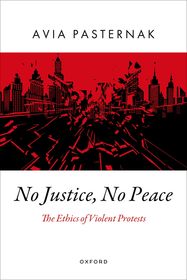
In a groundbreaking analysis of violent protests in democracies, Avia Pasternak provides an in-depth philosophical examination of the ethics of uncivil resistance to state-sanctioned injustice. Drawing on sociological and normative analyses, Pasternak assesses the permissibility of violent protest, demonstrating its importance in achieving instrumental and expressive goals in contemporary society.
TöbbHosszú leírás:
In the summer of 2020, angry citizens took to the streets of Minneapolis after a recording of the murder of George Floyd went viral. They set fire to a police station, destroyed cars and shops, and clashed with police. In the summer of 2023, violent disorder broke out across France after police killed a seventeen year-old boy. In 2011, protests spread from London across England after police murdered a young Black man during a police arrest. State authorities were quick to denounce such uprisings as callous lawlessness. Were they right? Are violent protestors unscrupulous criminals, or might their revolt be justified despite its lawlessness and the heavy costs it imposes?
In No Justice, No Peace, Avia Pasternak highlights the political nature of such protests, offering an in-depth examination of these pressing questions. Violent protestors, she argues, disrupt the peace in order to achieve justice, and to express their defiance of an unjust political order. Pasternak shows that even in liberal democracies, resorting to violence on behalf of these important goals can be necessary and proportionate. Combining empirical analysis of political oppression in contemporary states with a normative assessment of ordinary citizens' duty to resist oppression, Pasternak asserts that violence in protest against state injustice can be permissible, while also acknowledging its key limits.
This book serves as a model for those engaging with the topic of violent protest in that it draws from empirical and historical resources while also borrowing heavily from the literature on the ethics of defensive violence. This is a powerful and effective combination.
Tartalomjegyzék:
Acknowledgments
1. INTRODUCTION
1.1 From Civil to Uncivil Disobedience
1.2 Assessing Violent Political Resistance
1.3 The Arguments of the Book
1.4 Plan of the Book
CHAPTER 2: WHAT VIOLENT PROTESTORS WANT
2.1 Violent Protests as Political Events
2.2 Violent Protests as a Response to Domestic Injustice
2.3 Violent Protestors' Goals
2.4 Violent Protests' Key Features
CHAPTER 3: JUSTIFYING PROTECTIVE HARM
3.1 Defensive and Protective Harm
3.2 Necessity
3.3 Effectiveness, Risk, and Chances of Success
3.4 Proportionality and The Moral Weighing of Harm
3.5 The Full Picture: Connecting the Three Criteria
3.6 Resorting to Protest and Conduct in Protest
CHAPTER 4: THE NECESSITY AND EFFECTIVENESS OF VIOLENCE
4.1 Political Options for Oppressed Citizens
4.2 Expressive Goals and Violent Protest
4.3 Violent Resistance Campaigns and Social Change
CHAPTER 5: THE MORAL SERIOUSNESS OF HARM TO POLICE OFFICERS
5.1 Damage to State Property
5.2 Harm to State Officers: Culpable Contributions
5.3 Harm to State Officers: Participation in the Police Force
5.4 Three Concerns about Fairness
CHAPTER 6: HARM TO FELLOW CITIZENS
6.1 Citizens' Blame and Liability
6.2 Grounding Liability in Benefits
6.3 Citizens' Participation in State Wrongdoing
6.4 Associative Political Obligations
6.5 Duties of Rescue and Assistance
CHAPTER 7: REDISTRIBUTING PROTECTIVE HARM
7.1 Indiscriminate Harm and Crowd Control in Violent Protests
7.2 Lesser-Evil Justifications of Excessive Harm
7.3 Re-Distributing Excessive Harm
7.4 Burdening the Oppressed
7.5 Resisting Violent Protestors
CHAPTER 8: ASSESSING VIOLENT PROTESTS
8.1 The Seriousness of Direct Harm in Violent Protests
8.2 A duty to Collectivize?
8.3 The Problem of Brutal Response
8.4 Assessing the Benefits of Violent Protests
8.5 Core Features of the Permissible Violent Protest
CHAPTER 9: RESPONDING TO VIOLENT PROTESTORS
9.1. Should the State Punish Justified Protestors?
9.2 Implications for Protestors and Fellow Citizens
9.3 Implications for the Criminal Justice System: Sentencing
9.4 Implications for the Criminal Justice System: Restorative Justice
10. CONCLUSIONS
BIBLIOGRAPHY

