

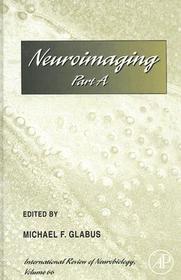
Neuroimaging Part A
Sorozatcím: International Review of Neurobiology; 66;
-
10% KEDVEZMÉNY?
- A kedvezmény csak az 'Értesítés a kedvenc témákról' hírlevelünk címzettjeinek rendeléseire érvényes.
- Kiadói listaár EUR 180.00
-
70 308 Ft (66 960 Ft + 5% áfa)
Az ár azért becsült, mert a rendelés pillanatában nem lehet pontosan tudni, hogy a beérkezéskor milyen lesz a forint árfolyama az adott termék eredeti devizájához képest. Ha a forint romlana, kissé többet, ha javulna, kissé kevesebbet kell majd fizetnie.
- Kedvezmény(ek) 10% (cc. 7 031 Ft off)
- Kedvezményes ár 63 277 Ft (60 264 Ft + 5% áfa)
Iratkozzon fel most és részesüljön kedvezőbb árainkból!
Feliratkozom
70 308 Ft

Beszerezhetőség
Megjelenése törölve vagy kivonva a forgalomból. Sajnos nem rendelhető.
Why don't you give exact delivery time?
A beszerzés időigényét az eddigi tapasztalatokra alapozva adjuk meg. Azért becsült, mert a terméket külföldről hozzuk be, így a kiadó kiszolgálásának pillanatnyi gyorsaságától is függ. A megadottnál gyorsabb és lassabb szállítás is elképzelhető, de mindent megteszünk, hogy Ön a lehető leghamarabb jusson hozzá a termékhez.
A termék adatai:
- Kiadó Elsevier Science
- Megjelenés dátuma 2005. november 11.
- ISBN 9780123668677
- Kötéstípus Keménykötés
- Terjedelem368 oldal
- Méret 228x152 mm
- Súly 750 g
- Nyelv angol 0
Kategóriák
Hosszú leírás:
Consisting of two separate volumes, Neuroimaging provides a state-of-the-art review of a broad range of neuroimaging techniques applied to both clinical and research settings. The breadth of the methods covered is matched by the depth of description of the theoretical background. Part A focuses on the cutting edge of research methodologies, providing a foundation for both established and evolving techniques. These include voxel-based morphometry using structural MRI, functional MRI, perfusion MRI, diffusion tensor imaging, near-infrared spectroscopy and the technique of combining EEG and fMRI studies. Two chapters are devoted to describing methods for studying brain responses and neural models, focusing on functional connectivity, effective connectivity, dynamic causal modeling, and large-scale neural models. The important role played by brain atlases in facilitating the study of normal and diseased brain populations is described in one chapter, and the concept of neuroimaging data bases as a future resource for scientific discovery is elucidated in another. The two parts of Neuroimaging complement each other providing in-depth information on a broad range of routine and cutting edge techniques that is not available in any other text. This book is superbly written and beautifully illustrated by contributors working at the top of their chosen specialty.
TöbbTartalomjegyzék:
Brain Atlases of Normal and Diseased Populations
Neuroimaging Databases as a Resource for Scientific Discovery
Modelling Brain Responses
Voxel-based MorphometricAnalysis Using Shape Transformations
The Cutting Edge of fMRI and High Field fMRI
Quantification of White Matter using Diffusion Tensor Imaging
Perfusion MRI for functional neuroimaging
Functional near-infrared spectroscopy: potential and limitations in neuroimaging studies
Neural Modeling and Functional Brain Imaging: The Interplay Between Data-Fitting and Simulation Approaches
Combined EEG and fMRI studies of human brain function

