

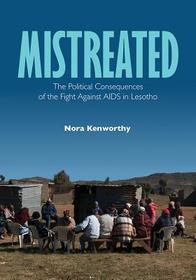
Mistreated – The Political Consequences of the Fight against AIDS in Lesotho
The Political Consequences of the Fight Against AIDS in Lesotho
-
10% KEDVEZMÉNY?
- A kedvezmény csak az 'Értesítés a kedvenc témákról' hírlevelünk címzettjeinek rendeléseire érvényes.
- Kiadói listaár GBP 80.00
-
36 120 Ft (34 400 Ft + 5% áfa)
Az ár azért becsült, mert a rendelés pillanatában nem lehet pontosan tudni, hogy a beérkezéskor milyen lesz a forint árfolyama az adott termék eredeti devizájához képest. Ha a forint romlana, kissé többet, ha javulna, kissé kevesebbet kell majd fizetnie.
- Kedvezmény(ek) 10% (kb. 3 612 Ft)
- Kedvezményes ár 32 508 Ft (30 960 Ft + 5% áfa)
Kedvezményes ár heti hírlevelünkre feliratkozott ügyfeleinknek.
Iratkozzon fel most és részesüljön kedvezőbb árainkból!
Feliratkozom
Iratkozzon fel most és részesüljön kedvezőbb árainkból!
Feliratkozom
36 120 Ft

Beszerezhetőség
Még nem jelent meg, de rendelhető. A megjelenéstől számított néhány héten belül megérkezik.
Why don't you give exact delivery time?
A beszerzés időigényét az eddigi tapasztalatokra alapozva adjuk meg. Azért becsült, mert a terméket külföldről hozzuk be, így a kiadó kiszolgálásának pillanatnyi gyorsaságától is függ. A megadottnál gyorsabb és lassabb szállítás is elképzelhető, de mindent megteszünk, hogy Ön a lehető leghamarabb jusson hozzá a termékhez.
A termék adatai:
- Kiadó University of Chicago Press
- Megjelenés dátuma 2026. szeptember 18.
- Kötetek száma Hardback
- ISBN 9780826521545
- Kötéstípus Keménykötés
- Terjedelem256 oldal
- Méret 228x152x25 mm
- Súly 1130 g
- Nyelv angol 700

