

-
20% KEDVEZMÉNY?
- A kedvezmény csak az 'Értesítés a kedvenc témákról' hírlevelünk címzettjeinek rendeléseire érvényes.
- Kiadói listaár GBP 32.00
-
14 448 Ft (13 760 Ft + 5% áfa)
Az ár azért becsült, mert a rendelés pillanatában nem lehet pontosan tudni, hogy a beérkezéskor milyen lesz a forint árfolyama az adott termék eredeti devizájához képest. Ha a forint romlana, kissé többet, ha javulna, kissé kevesebbet kell majd fizetnie.
- Kedvezmény(ek) 20% (cc. 2 890 Ft off)
- Kedvezményes ár 11 558 Ft (11 008 Ft + 5% áfa)
- A kedvezmény érvényes eddig: 2026. június 30.
Iratkozzon fel most és részesüljön kedvezőbb árainkból!
Feliratkozom
14 448 Ft

Beszerezhetőség
Megrendelésre a kiadó utánnyomja a könyvet. Rendelhető, de a szokásosnál kicsit lassabban érkezik meg.
Why don't you give exact delivery time?
A beszerzés időigényét az eddigi tapasztalatokra alapozva adjuk meg. Azért becsült, mert a terméket külföldről hozzuk be, így a kiadó kiszolgálásának pillanatnyi gyorsaságától is függ. A megadottnál gyorsabb és lassabb szállítás is elképzelhető, de mindent megteszünk, hogy Ön a lehető leghamarabb jusson hozzá a termékhez.
A termék adatai:
- Kiadó University Press of Kansas
- Megjelenés dátuma 2008. március 5.
- Kötetek száma Hardback
- ISBN 9780700615599
- Kötéstípus Keménykötés
- Terjedelem312 oldal
- Méret 234x162x26 mm
- Súly 603 g
- Nyelv angol
- Illusztrációk 50 photographs 0
Kategóriák
Rövid leírás:
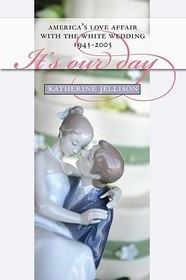
What's white, costs billions of dollars, and embodies the American dream? For years, a white-gowned bride, multi-tiered white cake, and shiny gold rings have been the central icons for a grand American tradition that remains vibrant despite changing times. This work gives us a cultural history of American weddings since World War II.
TöbbHosszú leírás:
"What's white, costs billions of dollars, and embodies the American dream? For years, a white-gowned bride, multi-tiered white cake, and shiny gold rings have been the central icons for a grand American tradition that remains vibrant despite changing times. Now Katherine Jellison gives us a comprehensive cultural history of American weddings since World War II, examining the development of our precise and expensive standards for celebrating weddings and the staying power of this phenomenon in the face of enormous social, political, and economic upheaval.Jellison's book is the first to examine wedding culture in the context of postwar cultural change, analyzing the mechanisms that disseminated, updated, and sustained the specific tradition of the white wedding. Tracing the ritual back to the rise of consumer culture in the postwar boom, it also examines how Americans guaranteed the survival of the white wedding into the twenty-first century by amending the ideology that supported it and reinterpreting the functions it served.Jellison examines the ways the bridal business, the media, and consumers responded to new norms that expanded the notions of who was an appropriate white-wedding bride. She particularly examines the key influences that have sustained this cultural phenomenon for sixty years - the bridal-wear industry, celebrity weddings, movie weddings, and media coverage of the weddings-next-door - to show that the white wedding has become a unifying experience that crosses gender, class, and racial lines.Here are the mystique of the perfect white wedding gown, a cavalcade of iconic brides from Grace Kelly to Caroline Bessette, and the proliferation of reality weddings in magazines and on television. Jellison draws on pro-wedding writings of contemporary feminist authors, as well as oral histories of bridal couples from diverse backgrounds, and examines contemporary issues such as the legalization of same-sex marriage - and its backlash - and the post-Katrina """"Hurricane Brides"""" project.Engagingly written and lavishly illustrated, """"It's Our Day"""" tells how a fantasy event survived counterculture movements and organized feminism to become a multi-billion-dollar industry supporting clothiers, caterers, jewelers, and florists. But more than an expose of commercialism, it is a testament to the flexibility of the dream it represents."
Több
