

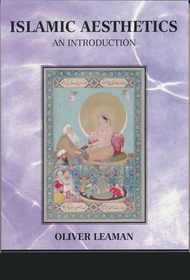
Islamic Aesthetics
An Introduction
-
10% KEDVEZMÉNY?
- A kedvezmény csak az 'Értesítés a kedvenc témákról' hírlevelünk címzettjeinek rendeléseire érvényes.
- Kiadói listaár GBP 80.00
-
38 220 Ft (36 400 Ft + 5% áfa)
Az ár azért becsült, mert a rendelés pillanatában nem lehet pontosan tudni, hogy a beérkezéskor milyen lesz a forint árfolyama az adott termék eredeti devizájához képest. Ha a forint romlana, kissé többet, ha javulna, kissé kevesebbet kell majd fizetnie.
- Kedvezmény(ek) 10% (cc. 3 822 Ft off)
- Kedvezményes ár 34 398 Ft (32 760 Ft + 5% áfa)
Iratkozzon fel most és részesüljön kedvezőbb árainkból!
Feliratkozom
38 220 Ft

Beszerezhetőség
Bizonytalan a beszerezhetőség. Érdemes még egyszer keresni szerzővel és címmel. Ha nem talál másik, kapható kiadást, forduljon ügyfélszolgálatunkhoz!
Why don't you give exact delivery time?
A beszerzés időigényét az eddigi tapasztalatokra alapozva adjuk meg. Azért becsült, mert a terméket külföldről hozzuk be, így a kiadó kiszolgálásának pillanatnyi gyorsaságától is függ. A megadottnál gyorsabb és lassabb szállítás is elképzelhető, de mindent megteszünk, hogy Ön a lehető leghamarabb jusson hozzá a termékhez.
A termék adatai:
- Kiadó University of Notre Dame Press
- Megjelenés dátuma 2004. július 30.
- Kötetek száma Print PDF
- ISBN 9780268033699
- Kötéstípus Keménykötés
- Terjedelem277 oldal
- Méret 229x152x14 mm
- Súly 468 g
- Nyelv angol 0
Kategóriák
Hosszú leírás:
It is often argued that a very special sort of consciousness went into creating Islamic art, that Islamic art is very different from other forms of art, that Muslims are not allowed to portray human beings in their art, and that calligraphy is the supreme Islamic art form. Oliver Leaman challenges all of these ideas, and argues that they are misguided. Instead, he suggests that the criteria we should apply to Islamic art are identical to the criteria applicable to art in general, and that the attempt to put Islamic art into a special category is a result of orientalism.
Leaman criticizes the influence of Sufism on Islamic aesthetics and contends that it is generally misleading regarding both the nature of Islam and artistic expression. He discusses issues arising in painting, calligraphy, architecture, gardens, literature, films, and music and pays close attention to the teachings of the Qur'an. In particular he asks what it would mean for the Qur'an to be a miraculous literary creation, and he analyzes two passages in the Qur'an—those of Yusuf and Zulaykha (Joseph and Zuleika) and King Sullayman (Solomon) and the Queen of Sheba. His arguments draw on examples from history, art, philosophy, theology, and the artefacts of the Islamic world, and raise a large number of difficulties in the accepted paradigms for analyzing Islamic art.
Több
