

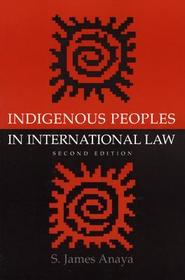
Indigenous Peoples in International Law
-
10% KEDVEZMÉNY?
- A kedvezmény csak az 'Értesítés a kedvenc témákról' hírlevelünk címzettjeinek rendeléseire érvényes.
- Kiadói listaár GBP 43.49
-
19 635 Ft (18 700 Ft + 5% áfa)
Az ár azért becsült, mert a rendelés pillanatában nem lehet pontosan tudni, hogy a beérkezéskor milyen lesz a forint árfolyama az adott termék eredeti devizájához képest. Ha a forint romlana, kissé többet, ha javulna, kissé kevesebbet kell majd fizetnie.
- Kedvezmény(ek) 10% (cc. 1 964 Ft off)
- Kedvezményes ár 17 672 Ft (16 830 Ft + 5% áfa)
Iratkozzon fel most és részesüljön kedvezőbb árainkból!
Feliratkozom
19 635 Ft

Beszerezhetőség
Megrendelésre a kiadó utánnyomja a könyvet. Rendelhető, de a szokásosnál kicsit lassabban érkezik meg.
Why don't you give exact delivery time?
A beszerzés időigényét az eddigi tapasztalatokra alapozva adjuk meg. Azért becsült, mert a terméket külföldről hozzuk be, így a kiadó kiszolgálásának pillanatnyi gyorsaságától is függ. A megadottnál gyorsabb és lassabb szállítás is elképzelhető, de mindent megteszünk, hogy Ön a lehető leghamarabb jusson hozzá a termékhez.
A termék adatai:
- Kiadás sorszáma 2
- Kiadó OUP USA
- Megjelenés dátuma 2004. október 28.
- ISBN 9780195173505
- Kötéstípus Puhakötés
- Terjedelem408 oldal
- Méret 232x158x23 mm
- Súly 572 g
- Nyelv angol 0
Kategóriák
Rövid leírás:
In this thoroughly revised and updated edition, Anaya incorporates references to all the latest treaties and recent developments in international law's treatment of indigenous peoples. Anaya provides new evidence to support the claim that while historical trends in international law facilitated the colonization of indigenous peoples and their lands, modern international law's human rights program has been responsive to indigenous peoples' aspirations to survive as distinct communities in control of their own destinies. Against this historical backdrop, James Anaya discusses a new generation of international treaties that may be capable of implementing international norms concerning indigenous peoples.
TöbbHosszú leírás:
In this thoroughly revised and updated edition, Anaya incorporates references to all the latest treaties and recent developments in international law's treatment of indigenous peoples. Anaya provides new evidence to support the claim that while historical trends in international law facilitated the colonization of indigenous peoples and their lands, modern international law's human rights program has been responsive to indigenous peoples' aspirations to survive as distinct communities in control of their own destinies. Against this historical backdrop, James Anaya discusses a new generation of international treaties that may be capable of implementing international norms concerning indigenous peoples.
This new edition re-confirms his reputation in this field. This is an important textbook by a major legal scholar, written, as always, with considerable fluency and clarity as well as persuasiveness...The account he gives is of an international order that in only just having turned its attention to tribal people is still in a highly formative and exploratory state. In this area international law is at its outset. This second edition is to be welcomed for so informally taking us a stop or two further along that new pathway.

